November is one of the best months to trek in Nepal. Skies are usually stable and clear, trails are drier than in summer, and crowds ease as the month goes on. The main change from October is cold: nights at high camps and villages get properly freezing. Most major treks work well with warm clothing.
Weather and visibility in November
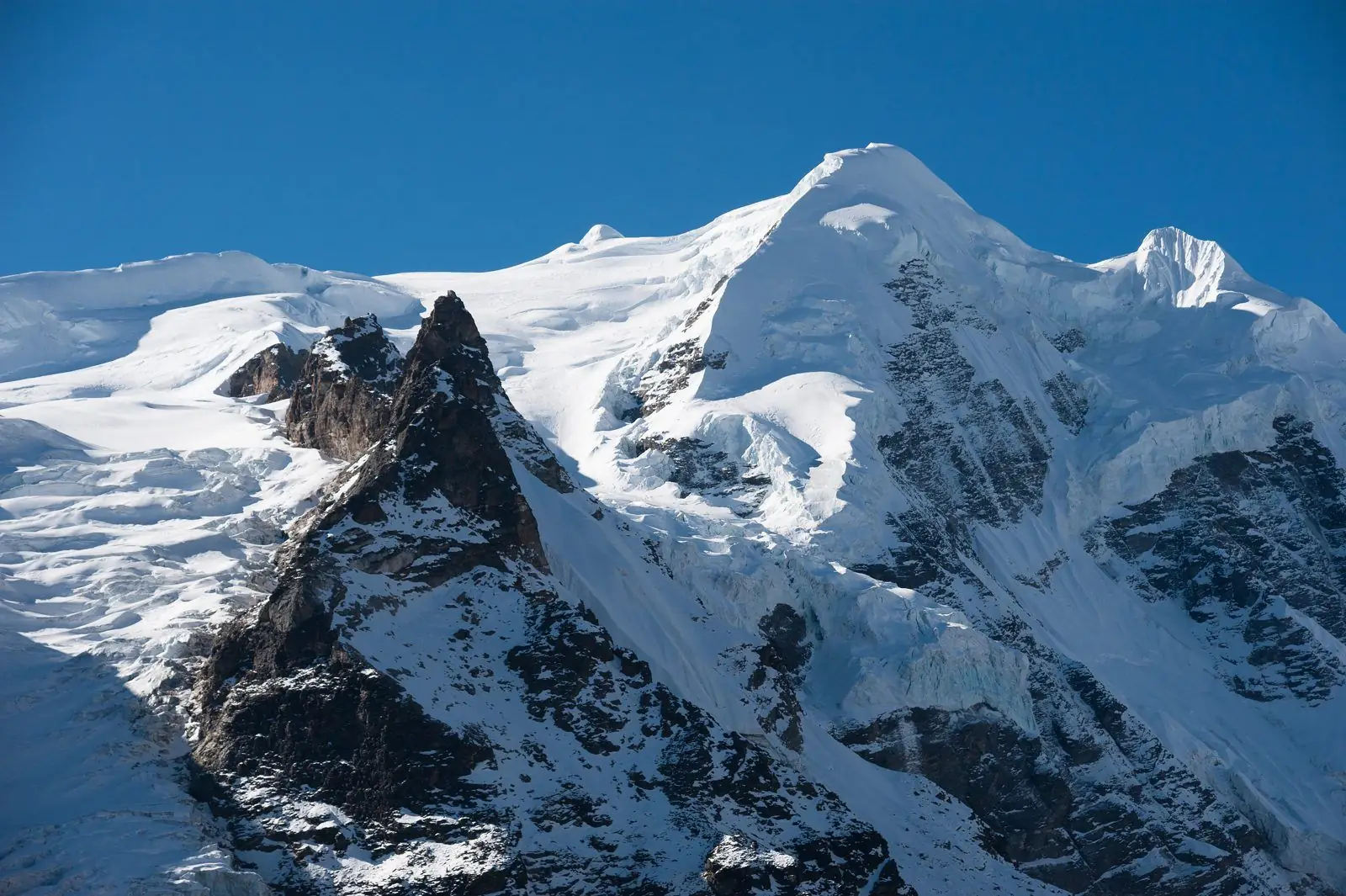
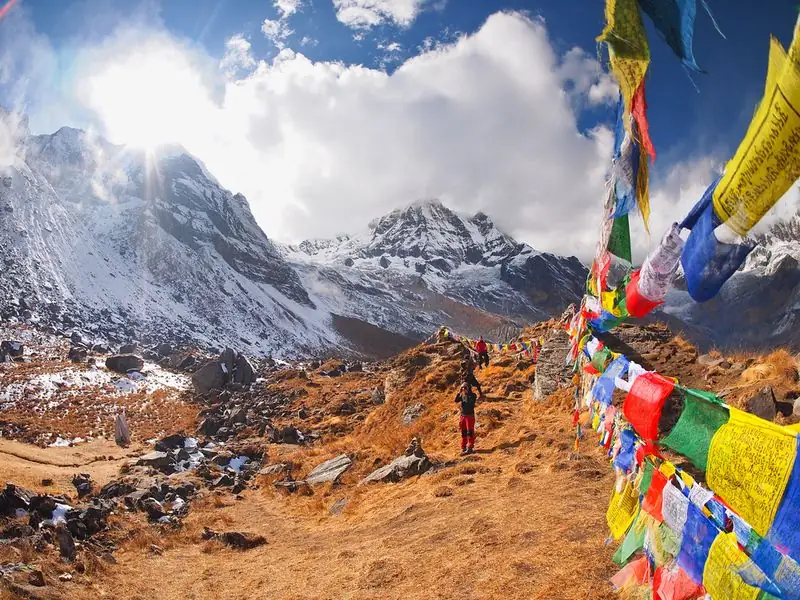
The monsoon is long gone, so rain is unlikely and the air is typically clear and dry. Mornings often give the sharpest mountain views, with cloud drifting in later. Days at lower altitudes are pleasantly cool, while higher villages feel cold even in sunshine.
Temperatures fall steadily through the month, and the first snow at high elevations becomes more likely by late November. Conditions vary with the year, so treat this as general guidance. Plan for early starts, since the sun reaches valleys late and the cold can make mornings slow, and check forecasts before long days at altitude.
Cold nights at high camps
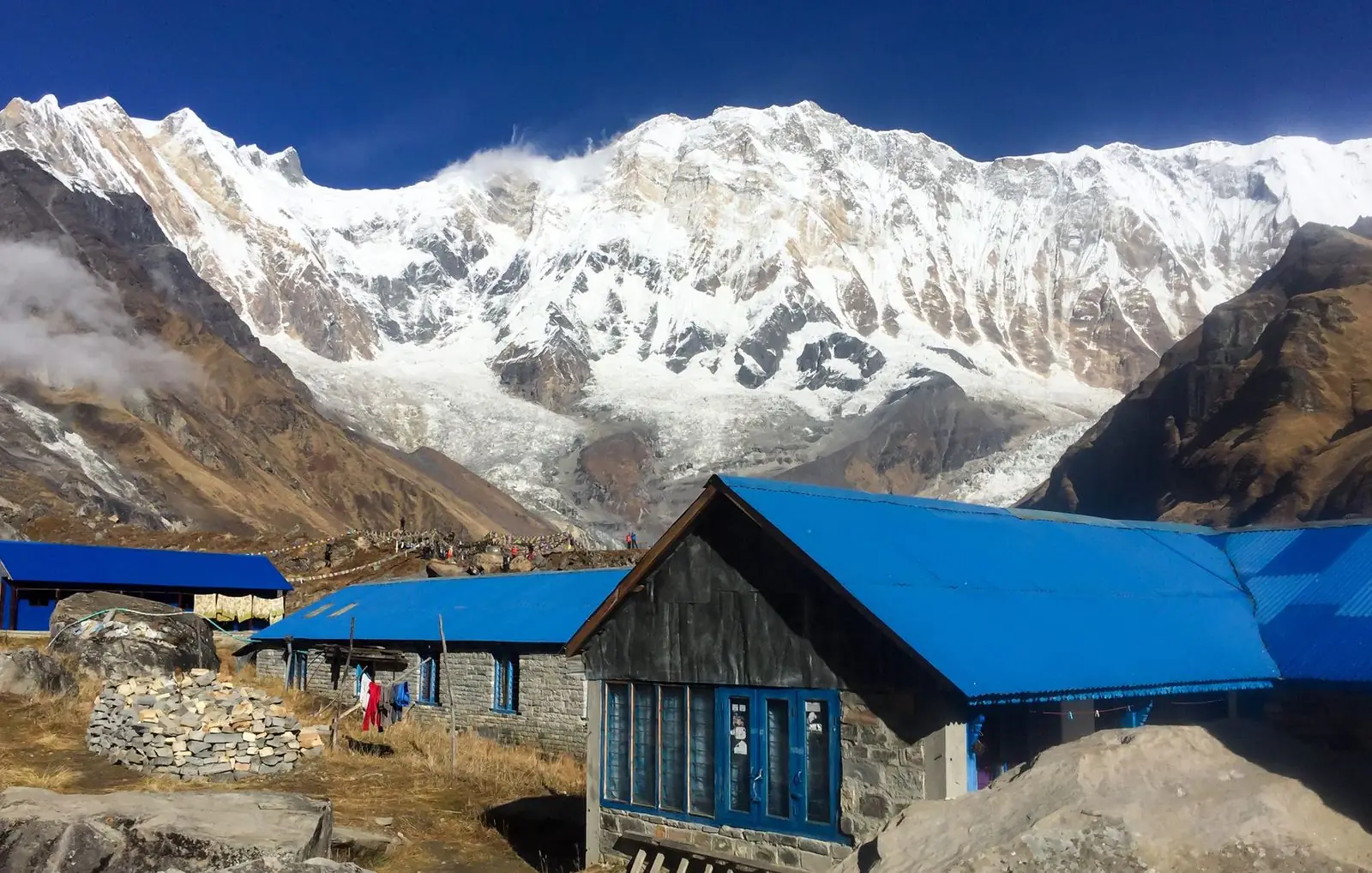
Cold is the real November challenge. Above about 4,000 m, nights often fall well below freezing, and lodge rooms are usually unheated. Water bottles can freeze overnight, and dining rooms warm up only around meal times.
- Bring a sleeping bag suited to freezing temperatures.
- Pack a warm down layer, hat, gloves and thermal base layers.
- Keep a dry set of clothes just for sleeping.
- Carry spare batteries and keep them warm inside your clothing.
Cold also makes sleep harder, which can add to altitude discomfort, so rest well and eat properly.
Crowds late in the month
The first half of November still feels like peak season, with busy lodges on popular routes. As the month moves on, numbers drop, and trails feel calmer, especially after the main autumn rush has passed. This can make late November appealing if you prefer quieter walking.
The trade-off is that colder weather arrives at the same time, and some high-altitude lodges begin to close for winter. Services can vary by village and year. We can add a spare day to your plan, and we confirm current conditions with local teams before departure.
Best treks for November
Everest Base Camp in 14 days and Annapurna Base Camp in 10 or 14 days are both good choices, as is Poon Hill in 9 days for a lower, warmer option. Langtang in 10 days and Mardi Himal in 11 days are quieter.
Longer routes such as Annapurna Circuit at 18 days involve a high pass, which can be affected by early snow later in the month. Gokyo at 17 days and the Three Passes at 20 days get very cold. Upper Mustang at 18 days and Manaslu at 15 days are restricted areas, needing special permits and a licensed guide; rules change, so confirm before you travel.
Preparing your body and kit
Train with long walks and stair work for two or three months, and break in your boots well before you leave. Altitude illness can appear in any season. Headache, nausea, dizziness and unusual tiredness are warning signs, and the safe response is not to go higher and to descend if symptoms persist. This is general information, not medical advice.
Carry a rain shell, sun hat, sunglasses and sun cream, since high-altitude sun is strong even when the air is cold. A trekking guide helps with pacing and decisions, and our packages include licensed guides, porters, permits and transfers.
Common questions
Is November a good time to trek in Nepal?
Yes. Skies are usually clear and stable, and crowds thin out later in the month. The main drawback is cold, especially at night above about 4,000 m.
How cold does it get in November?
Mild in low valleys, but high villages often drop below freezing at night. Pack a suitable sleeping bag, down layer, hat and gloves, since lodge rooms are rarely heated.
Are lodges open in late November?
Most main routes stay open, but some high-altitude lodges begin to close or reduce services as winter approaches. This varies by village and year, so confirm before you travel.
Can I trek Everest Base Camp in November?
Yes, it is a popular month for it. Expect clear views and cold nights, and allow for rest days to acclimatise. Flights can still be delayed, so keep a spare day in your plan.