




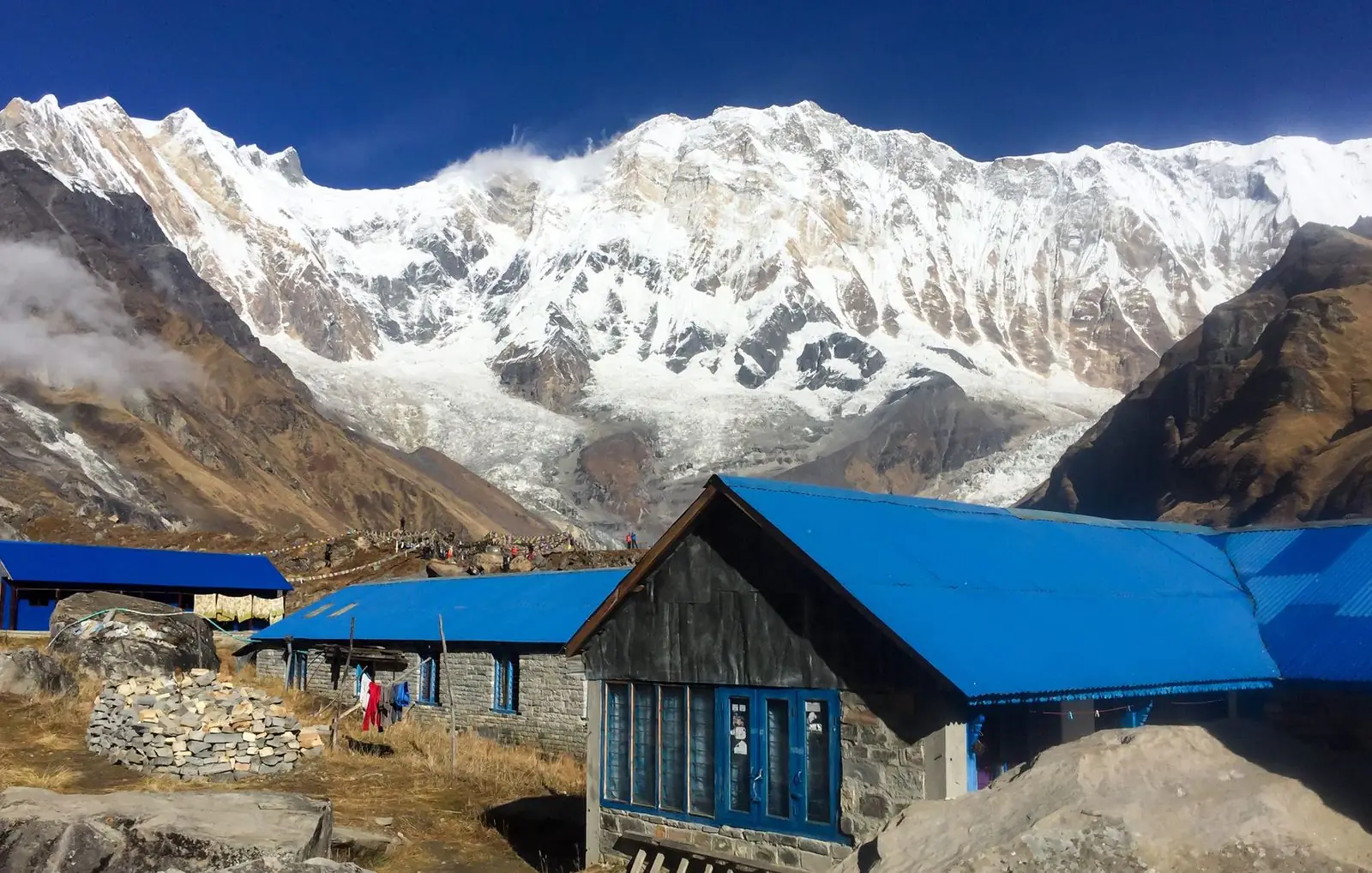
December and January are the coldest months for trekking in Nepal, but skies are often clear and trails are quiet. Lower and mid altitude treks work best, such as Poon Hill, Mardi Himal and the lower Everest route. High passes can be closed by snow, so choose routes that avoid them and pack seriously warm clothes.
What winter conditions are like
Winter in the Himalaya is dry for much of the season, with crisp mornings and often excellent views. Valleys in the lower hills can be pleasant at midday, but shade and nights are cold. At higher altitude, temperatures drop well below freezing, and wind can make it feel harsher.
Snowfall is possible, especially in January, and it varies by year. Days are short, so you have less daylight for walking and need to start promptly. Conditions can change quickly, and weather information is general; confirm the latest position with us before you book and again before departure.
Treks that work in winter
Lower routes are the safest bet. Poon Hill in 9 days and Mardi Himal in 11 days stay at modest elevations. Annapurna Base Camp in 10 or 14 days is possible when snow is manageable, with a chance of closures after heavy falls. Everest Base Camp in 14 days is walked in winter, with very cold nights above Namche, and the weather can delay flights.
Langtang in 10 days can be cold and snowy at the top end. Winter is quiet, so lodges and trails feel peaceful. Some higher lodges close, and services vary by village, so we check current conditions before you go.
Passes and routes that may close
High passes such as Thorong La on the Annapurna Circuit, Larkya La on Manaslu and the Three Passes in the Everest region can be blocked by snow in winter. Even when open, they bring a real risk of hard weather, and teams may need to turn back.
- Annapurna Circuit: pass conditions can change quickly.
- Manaslu Circuit: a restricted area, with a special permit and licensed guide required.
- Three Passes: usually avoided in deep winter.
Rules change, so confirm before you travel. If a pass is shut, we can suggest a lower alternative or a spare day.
What to pack for December and January
Layers matter more than any single item. Bring thermal base layers, a fleece, a down jacket, a windproof shell, warm hat, gloves, and a sleeping bag suitable for freezing nights. Wear well broken-in boots with warm socks, and consider microspikes if snow or ice is likely on your route.
- Sunglasses and sun cream, as snow glare is strong.
- A good headtorch, since days are short.
- A water bottle that handles cold, and insulated cover for it.
- Spare batteries kept warm against your body.
Rooms are rarely heated, so extra warm clothing for sleeping helps.
Safety, health and flexibility
Cold adds a layer of risk. Frostbite and hypothermia are real concerns at high altitude, so keep hands, feet and head covered and change out of damp clothing. Altitude illness can still occur: headache, nausea, dizziness and poor sleep are warning signs, and the safe response is to stop climbing and descend if symptoms worsen. This is general information, not medical advice.
Build flexibility into your plan with a spare day for flight or snow delays. Our packages include permits, licensed guide, porters and transfers, and our team will adapt the route if conditions change.
Common questions
Is it safe to trek in Nepal in December and January?
Yes on lower and mid altitude routes with proper clothing, a licensed guide and a flexible plan. Cold, short days and snow are the main risks. High passes may close.
Which trek is best in December?
Poon Hill and Mardi Himal are good lower options. Everest Base Camp is also walked, with very cold nights. Choose according to your tolerance for cold and your timeline.
Will lodges be open in winter?
Most lodges on the main routes stay open, but some high ones close or offer limited services. This varies by village and year, so confirm before you travel.
Do I need special gear for winter trekking?
Yes. Bring a warm sleeping bag, down jacket, thermal layers, hat, gloves, sunglasses and a headtorch. Microspikes may help if snow is likely. Ask us for a packing list for your route.


