




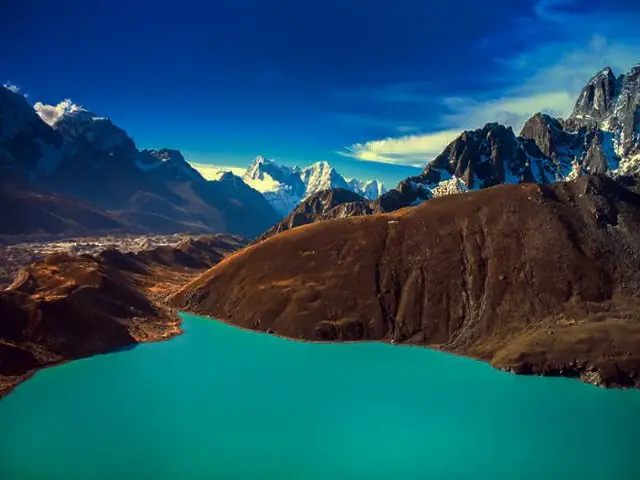
The short version: three of the most asked questions, answered in a line each. The rest of the page goes into detail.
- Will I get altitude sickness at Rara Lake? It is unlikely at the lake itself, which is at roughly 3,000 m.
- When should the group wait a day or turn back? Wait or turn around after heavy rain, fresh snow on a pass or if any member shows signs of altitude illness.
- Is the lake water safe to drink? Treat all water, including lake and stream water, with tablets, a filter or boiling.
Will I get altitude sickness at Rara Lake?
It is unlikely at the lake itself, which is at roughly 3,000 m. Passes such as the ridge of about 4,000 m are higher but you cross them in a few hours. Symptoms are uncommon but possible, so pace the first days and drink water.
What medical help is available in such a remote area?
Medical care is limited. Evacuation depends on helicopters from Jumla or Nepalgunj, which depend on weather. Carry a full first-aid kit and make sure your insurance covers evacuation. Tell your guide at once about any health problem.
When should the group wait a day or turn back?
Wait or turn around after heavy rain, fresh snow on a pass or if any member shows signs of altitude illness. Your guide should make this call early. A spare day in your schedule makes this decision easier.
Is the lake water safe to drink?
Treat all water, including lake and stream water, with tablets, a filter or boiling. Rara National Park enforces rules against plastic, soap and littering, so use a treatment method rather than bottled water and do not wash in the lake.
How cold does it get near the lake?
Nights near the lake are below freezing by November, and ice can form at the edges. In winter heavy snow closes passes and the lake can freeze, which is not recommended for most travellers. Bring a warm sleeping bag and layers.
What should be in my first-aid kit for Rara?
Carry a full kit: blister care, bandages, antiseptic, painkillers, rehydration salts, anti-diarrhoea medicine and personal prescriptions, plus altitude medicine if your doctor advises. Remoteness means you may be days from a clinic. Your guide may carry a group kit, but bring your own essentials.
Is it wise to trek Rara without a guide?
It is not recommended. Trails are rough and sometimes unmarked, so a guide is useful, and remoteness raises the stakes if something goes wrong. A guide also handles flights, permits, camp and decisions about weather.


