Tsum is not only a scenic valley but a community with its own language, religion and customs. Knowing a little about them will help you travel with respect and understanding.
The people
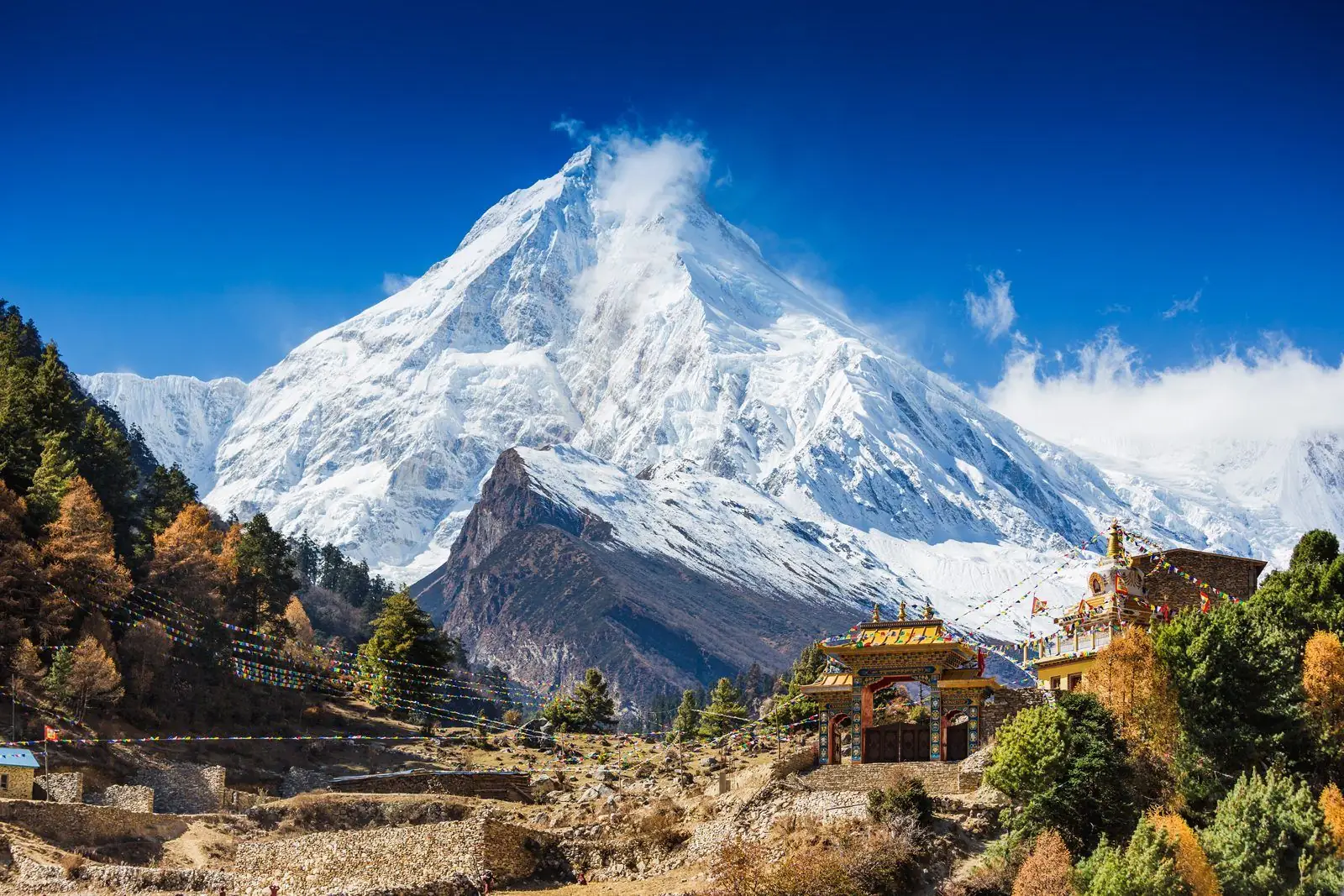
The people of Tsum, sometimes called Tsumba, are of Tibetan origin and speak a Tibetan dialect. They are Buddhist, and their villages are built of stone and wood, with flat roofs and prayer flags. Historically, they farmed, herded and traded across the nearby border.
Livelihoods
- Farming barley, buckwheat, potatoes and other crops.
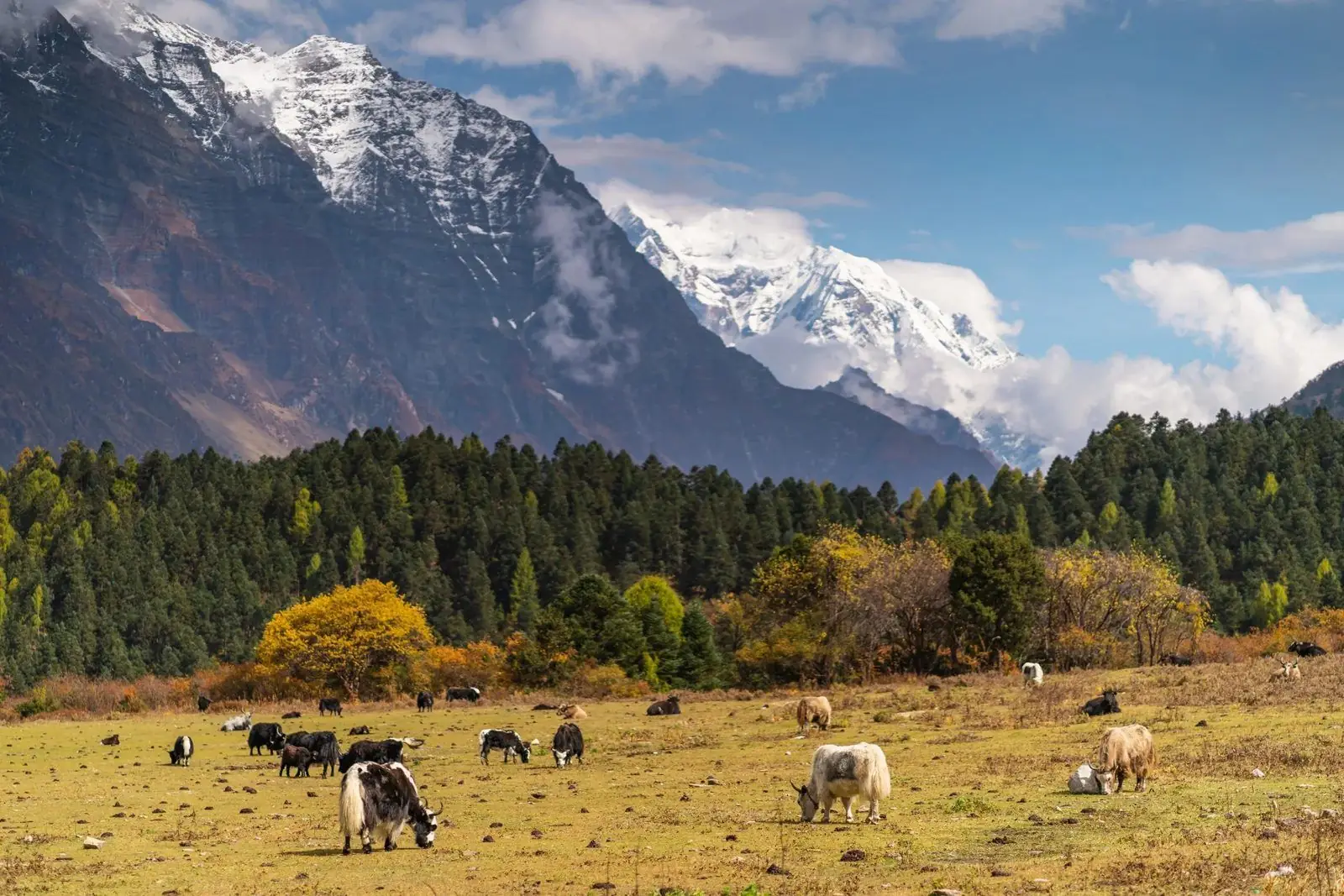
- Herding yaks, cattle and goats.
- Trade and, increasingly, tourism and lodge keeping.
- Remittances from relatives working abroad.
Customs and taboos
The valley is known for customs such as avoiding the killing of animals in the sacred areas, and for respect for the quiet of religious places. Visitors are asked not to bring meat into some villages and to avoid noise and disturbance. Ask your guide about local rules as you travel.
Family traditions
Historically, some communities in the valley practised polyandry, in which a woman marries brothers, but this is declining. Women hold significant roles in religion and community life, including as nuns. Social change is gradual, and visitors should avoid judgmental comments.
Festivals and calendar
Festivals follow the Tibetan lunar calendar, and dates change each year. They include Losar (Tibetan New Year), the Dhachyang festival and other ceremonies. Some are private community events. Ask your guide whether any celebration is happening during your visit and how to observe politely.
Food and hospitality
Meals are simple: dal bhat, potatoes, noodles, tsampa and tea. Butter tea may be offered. Yak cheese and local dishes appear in some lodges. Accept food and drink graciously when offered, and say thank you.
Giving back
- Buy local products and eat in family-run lodges.
- Carry out your rubbish.
- Support schools, nunneries or monasteries through your guide, not by giving to children directly.
- Respect photography rules.
Language and greetings
A few words go a long way. "Tashi delek" is a common Tibetan greeting meaning good luck or blessings, and "thuk-je-che" means thank you. Say them with a smile and a slight bow of the head. In more Nepali-speaking parts of the lower valley, "namaste" is widely understood. Your guide will help you with the local usage.
Mani walls, chorten and prayer wheels
You will pass long walls built of carved stones, often inscribed with the mantra Om Mani Padme Hum. Pass them on the left so that you walk clockwise, spin prayer wheels in the same direction, and never step over or sit on the stones. These objects are built over generations, and each stone is a prayer. Treat them as you would a church altar.
Women, nuns and community life
Tsum has several nunneries, and nuns play an important role in community religion and education. Visitors, men and women alike, should dress modestly and follow the rules of each nunnery. Photography of the nuns is a matter for their permission, not for assumption.
Common questions
Who are the Tsumba?
The people of Tsum Valley, who are of Tibetan origin, speak a Tibetan dialect and follow Tibetan Buddhism.
Can I bring meat into the valley?
Ask your guide. In sacred areas, there are customs against killing animals and respect is expected.
When are the festivals?
Dates follow the lunar calendar and change each year. Ask your operator and guide for current information.