Thorong La is the highest point of the Annapurna Circuit, at about 5,416 m. Crossing it is the most memorable and the most demanding day of the trek, and good planning makes the difference between a triumphant day and a miserable one.
Where you start
Most trekkers sleep at Thorong Phedi, at about 4,450 m, or at High Camp, at about 4,800 m. Staying at High Camp shortens the climb on pass day but means a higher night, which some people find hard. Sleeping at Phedi and climbing to High Camp for an acclimatisation walk beforehand is a gentler plan.
The crossing day
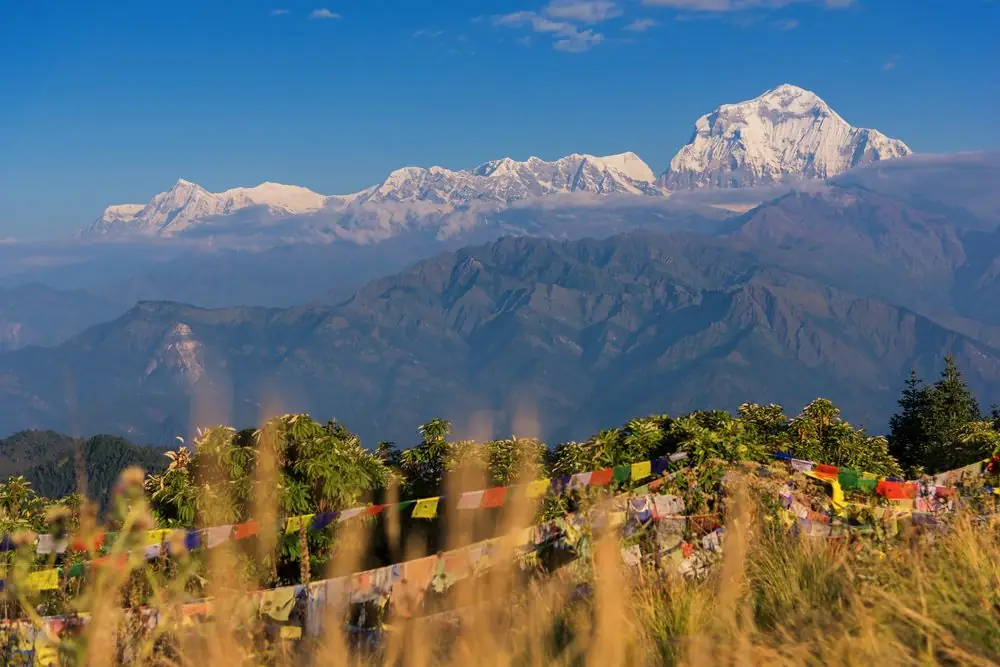
The day begins very early, often between 3 and 5 am, so that you cross before the wind rises in late morning. The climb from High Camp takes around three to four hours at a slow pace, with several false summits. At the top there are prayer flags, a small tea shop in season and a view of the Mustang side. The descent to Muktinath is long and steep, dropping by more than 1,600 m, and it can be harder on knees than the ascent.
Weather and snow
- Wind speed rises through the day, so late starts are risky.
- Fresh snow can hide the trail and make the pass dangerous or closed.
- Cold is severe before sunrise, so warm gloves, a hat and a down jacket matter.
What to carry
Take water that will not freeze, snacks, sunglasses or goggles, a headtorch, spare gloves and a warm layer to put on at the top. Trekking poles help on both the snowy ascent and the loose descent.
When to turn back
Turn back if you have worsening headache, vomiting, loss of balance or confusion, if the weather deteriorates, or if you cannot keep warm. Reaching the pass is not worth risking your life, and a guide will make the decision with you.
After the pass
Rest and eat well at Muktinath. The descent into drier, lower country brings relief from altitude, and many people find they sleep much better there.
An early start and a steady pace
Most groups leave in the dark, between three and five in the morning, so that they can cross the pass before the afternoon winds rise. The climb from the high camp is slow and long, with false summits and cold air. Keep a steady, slow pace, rest briefly and sip warm drinks from a flask. Pace is more important than speed, and the descent that follows is long and tiring on the knees.
Cold, wind and gear
Temperatures at the top can be far below freezing, and wind chill can make it much colder. Carry a warm down jacket, insulated gloves, a hat that covers the ears and a face covering. Keep spare gloves in the daypack, since wet or lost gloves can be serious. Water bottles can freeze, so use insulated covers or carry a flask of hot tea.
What to do if you feel unwell
If you develop a severe headache, nausea, confusion or unusual breathlessness, tell your guide at once. Do not continue upward. Descending even a few hundred metres often brings improvement, and your guide can decide whether to go back or move on to a lower point. Do not try to hide symptoms to complete the crossing, because safety is more important than finishing.
Celebrating safely
- Take photos at the sign and prayer flags, but do not linger too long in the cold.
- Eat a snack and drink warm fluids before descending.
- Use poles on the long descent to protect your knees.
- Rest at the lodge in Muktinath and keep drinking water.
What our guests say
Excerpts from guest reviews of Himalayan Wonders, our parent company, on Tripadvisor.
“They took utmost care of our group of 5 friends from Kathmandu airport upto the completion of the trek”