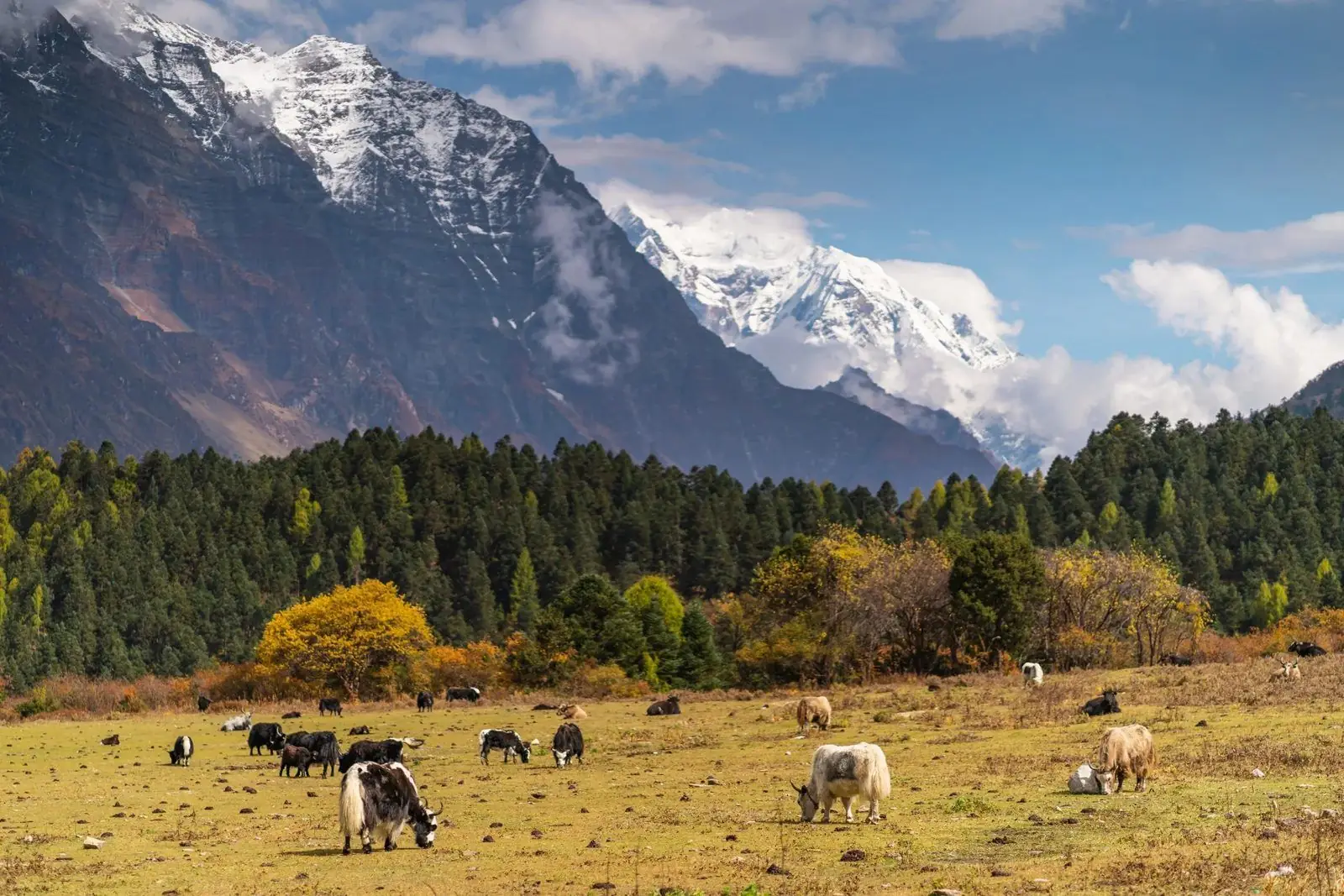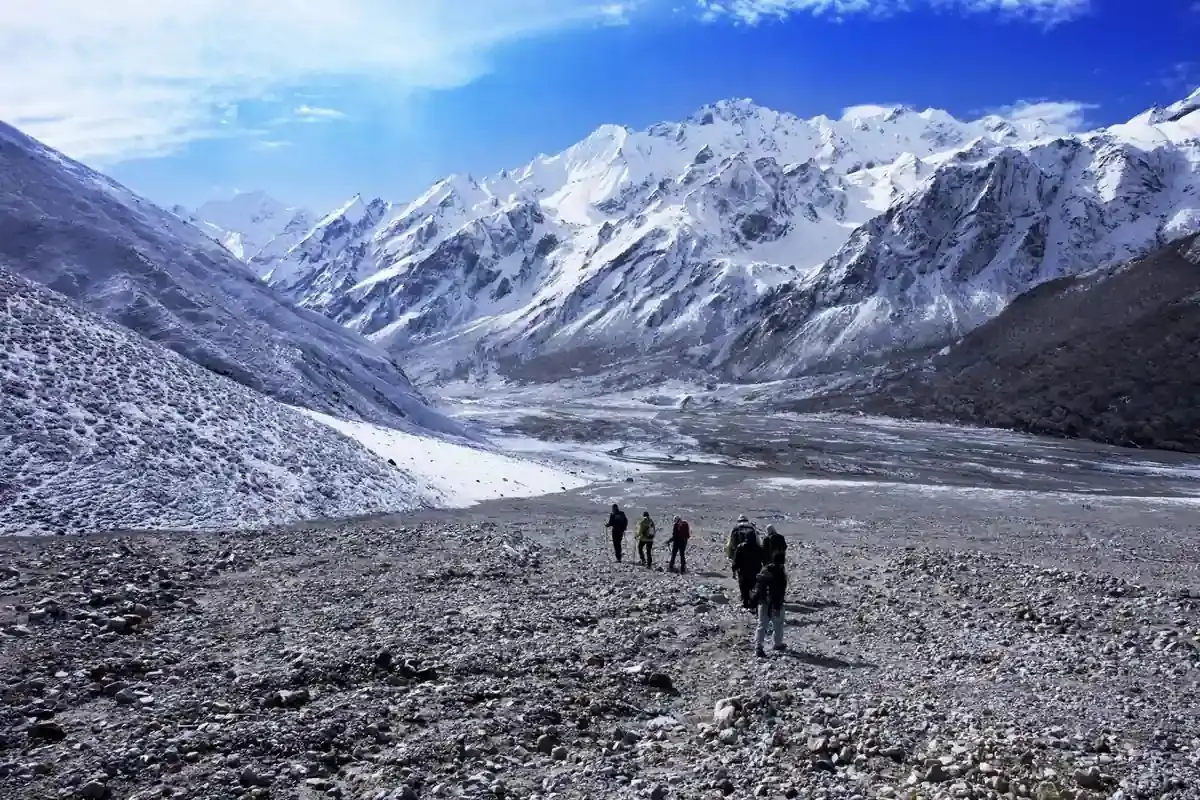
The Langtang region lies within Langtang National Park, and the trek is on the list of routes where the TIMS and guide rules apply.
National park entry
The fees supplied to us are per person per entry: NPR 3,000 for foreign nationals and NPR 1,500 for SAARC nationals. Children under ten are free. The ticket is issued through the usual channels, and your agency normally arranges it.
TIMS and guide
Langtang, Langtang-Gosaikund, the Tamang Heritage trail, Tamang Heritage-Langtang, Ganja La and Tilman pass are all on the list where a licensed trekking guide and an agency-issued TIMS card are required. TIMS costs NPR 1,000 for SAARC nationals and NPR 2,000 for others, paid online by the agency, which generates an eCard with a QR code.
Gosaikunda area
Our schedule also includes a fee of USD 20 per person per week for the Gosaikunda rural municipality, covering ward 1 and part of ward 2 in Rasuwa. Whether this applies depends on your exact route, so ask us to confirm it for your itinerary. If your plan includes the Gosaikunda lakes, assume that it may be charged.
What you will need
- A passport scan with at least several months of validity.
- A passport photo.
- Your itinerary dates and entry and exit points.
Good to know
All rates can change, so confirm current figures before you book. Permits are arranged in advance through a registered agency, not at the trailhead.
Send us your dates and we will confirm the permit list for your route.
Why the national park charges an entry fee
Langtang National Park protects forests, wildlife and watersheds in a region that has faced natural disasters and recovery. Entry fees support park management and community programmes, and TIMS registration helps authorities keep track of trekkers. Paying these fees is part of the cost of visiting a protected landscape.
Where the permits are checked
There is a national park checkpoint near Dhunche, where your permit is verified, and further checks can happen along the route. Your guide carries the documents and deals with the formalities. Keep copies of your passport and permits in your daypack and a photo on your phone.
Different rates for different nationalities
Fees differ by nationality, and the lower SAARC rate applies to citizens of member countries, including India. Bring proof of nationality and confirm with your operator how the fees are quoted. Do not rely on outdated information, because rates and rules change from time to time.
Make sure of the following
- Which fees are included in the package price.
- Whether the Gosaikunda extension needs extra permits or days.
- That you have enough Nepali rupees for any fees paid on the trail.
A simple order of operations
First confirm your dates and route with your operator, then supply passport details and photographs. The operator buys the national park permit and registers you, and you collect the paperwork before the drive to Syabrubesi. Keep photocopies in your daypack and the originals in a waterproof pouch. If you add Gosaikunda or Helambu, tell your operator early, because different checkpoints apply.
Why the paperwork matters after the 2015 earthquake
The valley was heavily affected by the 2015 earthquake and landslide, and rebuilding is still part of local life. Permit fees fund park management and community projects, so paying them is a direct contribution. Respect the memorials and rebuilt villages along the trail.