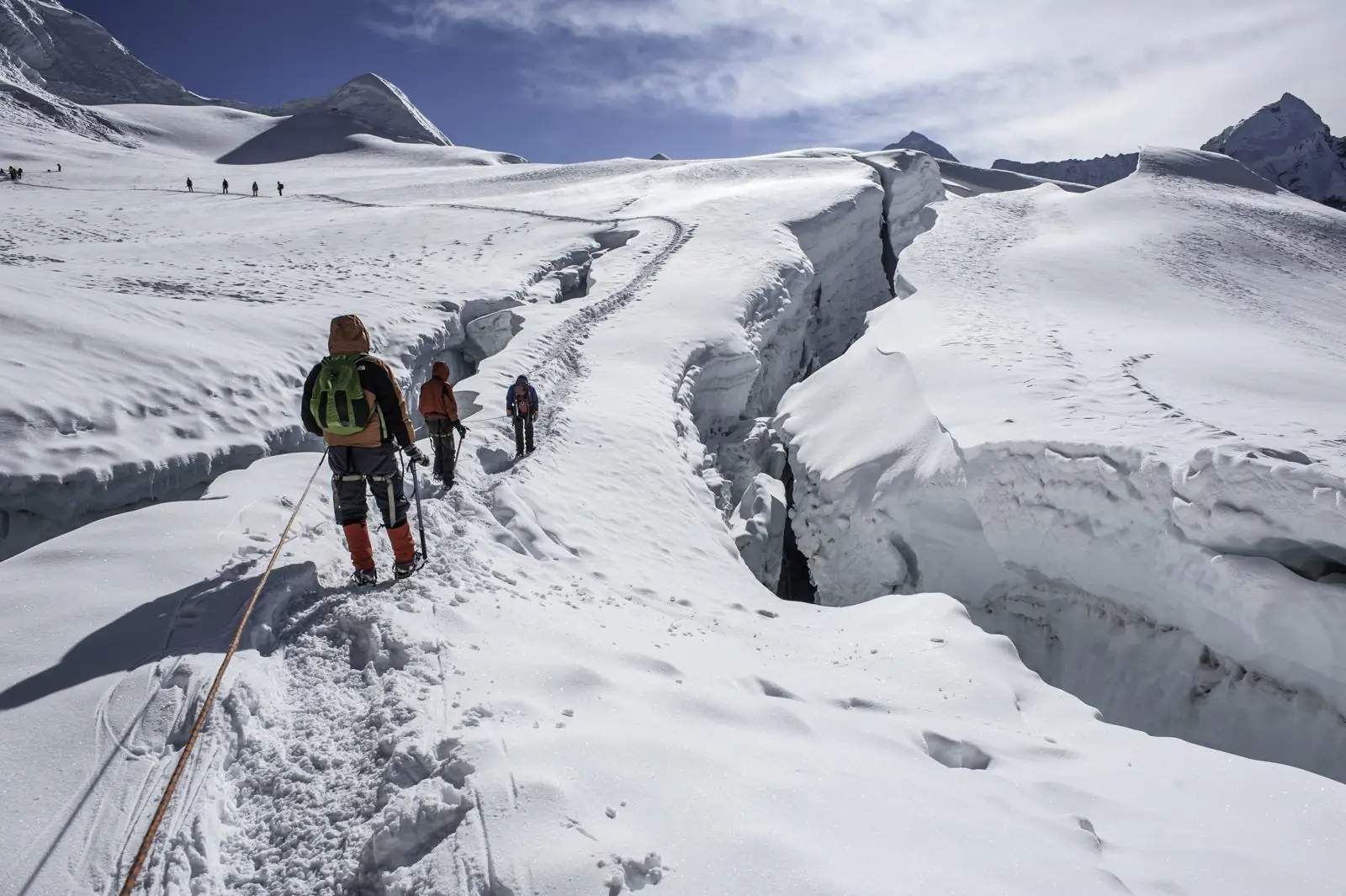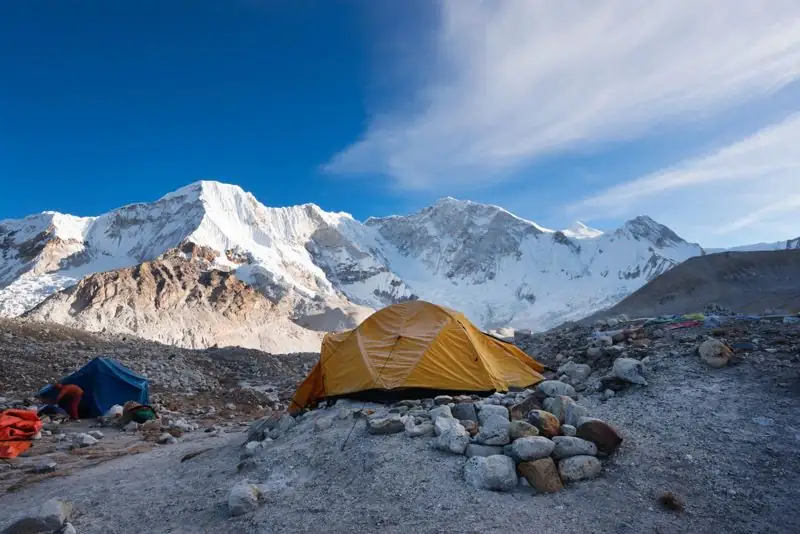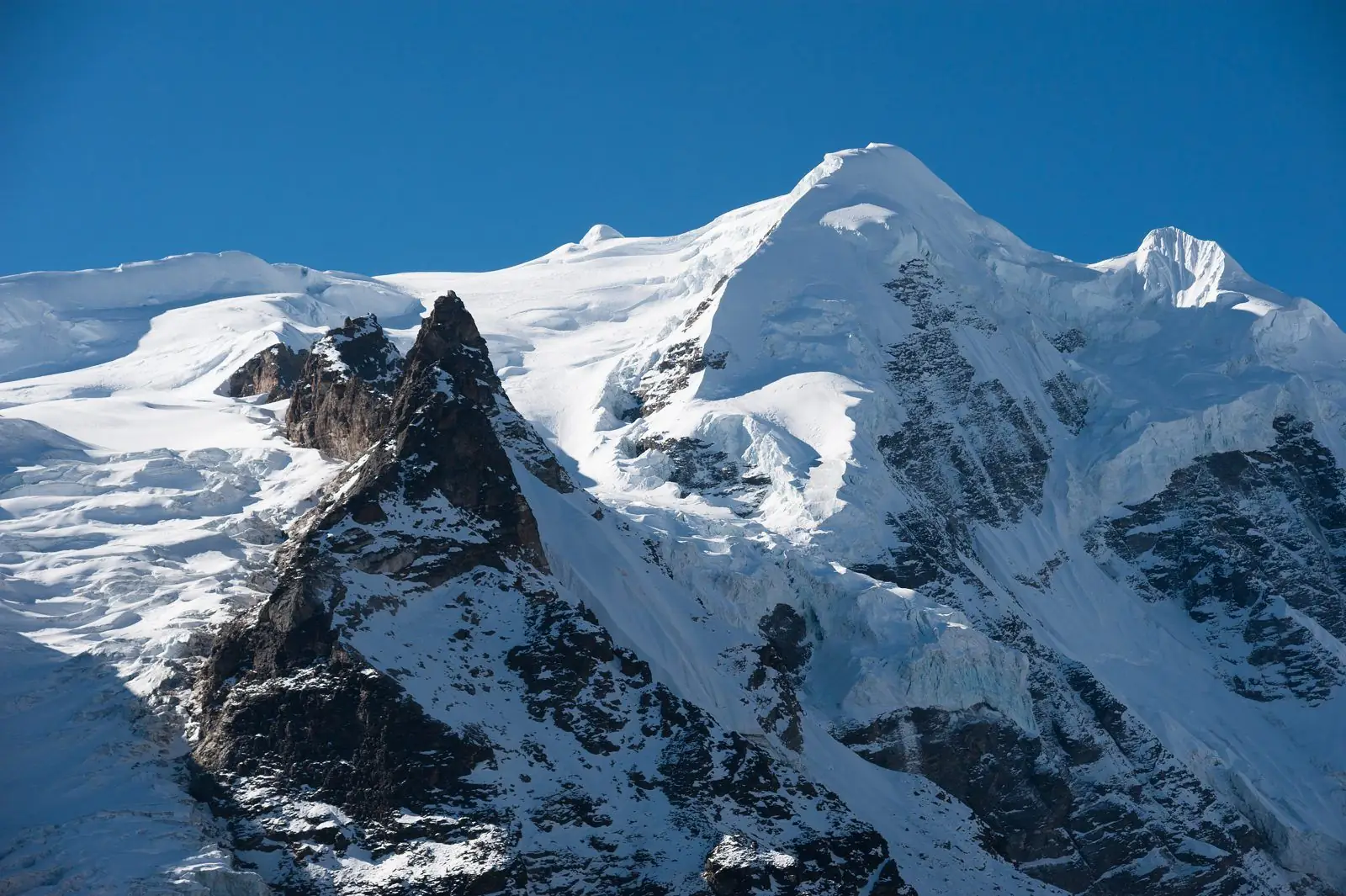
The summit of Mera Peak is higher than most trekkers have ever been, so altitude is the main risk. Fitness helps with the effort but does not prevent altitude illness.
How the itinerary helps
A good programme rises slowly, with rest days built into the schedule, and often includes a night or two at modest height before the high camp. Your body needs time to produce more red blood cells and adapt to low oxygen.
Daily habits
- Walk slowly, even when you feel strong.
- Drink water frequently, and monitor your urine colour.
- Eat even when appetite is low.
- Avoid alcohol and sleeping pills.
- Report symptoms to your guide at once.
Symptoms
Headache, poor sleep, nausea and fatigue are common. More serious signs include persistent vomiting, confusion, loss of balance, a wet cough and breathlessness at rest. These require immediate descent and medical help.
Cold injuries
Frostnip and frostbite can occur on fingers, toes and the face. Keep your extremities warm and dry, and tell your guide if you lose feeling.
Medicines
Discuss any preventive medication with a doctor before departure. Never take medicines to mask symptoms and continue climbing.
Descent
Going down is the most effective response to altitude illness. Be prepared to stop, even close to the summit, if you or a teammate show warning signs.
Insurance
Ensure you have a policy covering climbing above six thousand metres and helicopter evacuation.
Why Mera needs respect
At just over 6,400 metres Mera Peak is higher than many climbers have ever been. Air pressure is much lower than at sea level, and the body needs time to adapt. Skipping rest days or ascending too fast is the most common cause of altitude problems on the route.
Listening to your body
Mild headache, loss of appetite and poor sleep are common. Severe headache, vomiting, confusion, loss of balance or breathlessness at rest are warning signs that need immediate attention. Tell your guide at once and be prepared to descend if symptoms do not improve.
Drinking and eating
Drink plenty of fluids, eat regular meals, avoid alcohol and take it easy on the first evenings at a new altitude. These habits help your body cope and are simple to follow.
Altitude profile of the trek
The route dips and climbs through valleys and passes, with nights at about 3,000 to 5,800 metres. The trek is deliberately slow, with rest days at Khare and base camp. The overall profile gives your body time to adapt, but individual responses vary, so listening to your body is essential.
Using a pulse oximeter wisely
Some guides use pulse oximeters to track oxygen saturation. Values vary with cold, hand position and individual baselines. A low reading is a prompt to look more closely, not a diagnosis. Trends over days matter more than single numbers.
Descent as medicine
Descent is the most effective treatment for altitude illness. Remote routes mean that helicopters may take hours to arrive, so the first step is often walking down with support. Accept this early, and do not wait for conditions to worsen.