




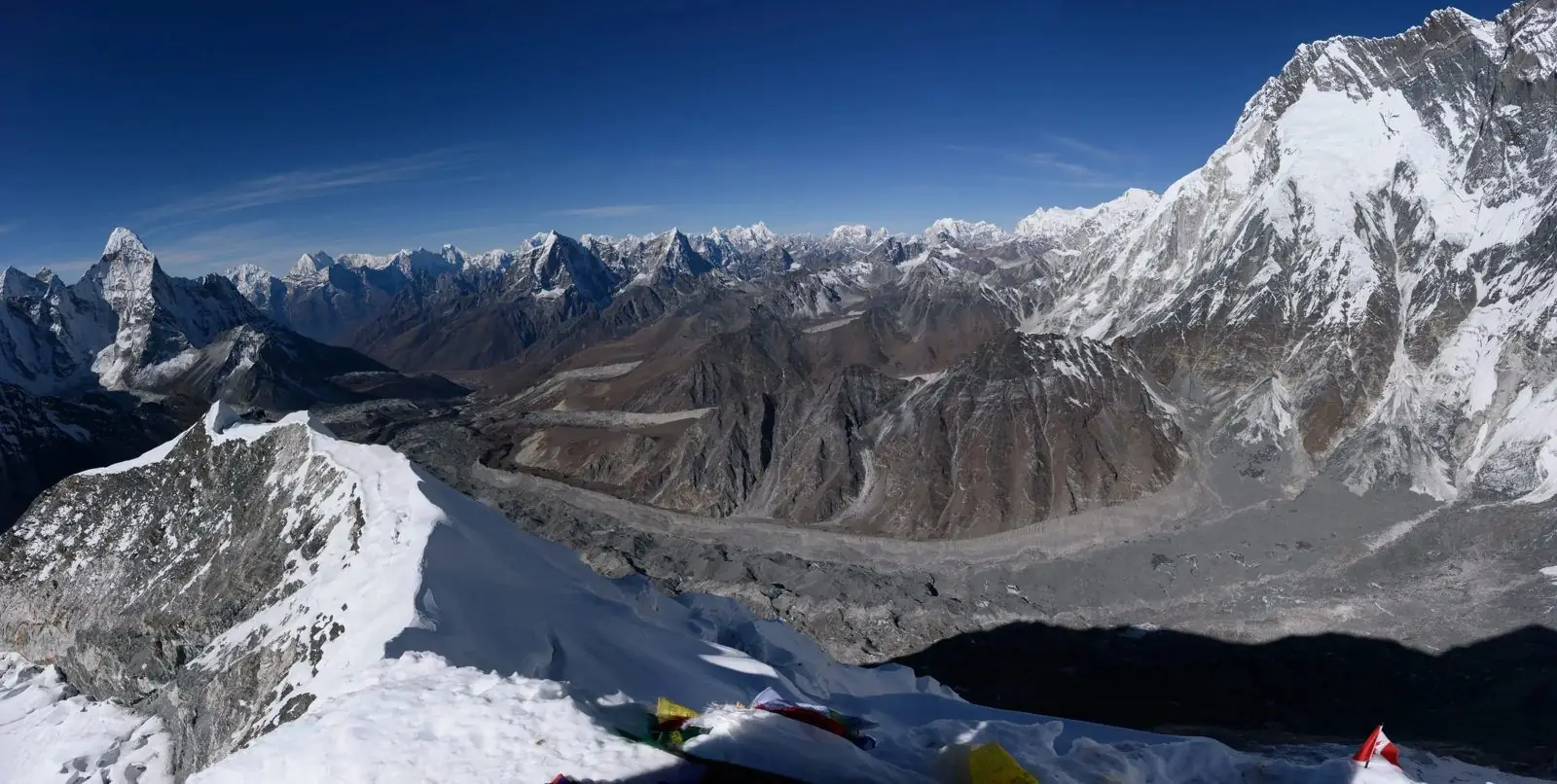
Salpa Pass is a pass of about 3,400 m in eastern Nepal, on the Salpa Bhanjyang route that links the Solu area with the Arun region. It is a lower, forested trek compared with the main Everest trails, quiet and culturally rich. Route details vary, so confirm the current picture before planning.
Where Salpa Pass is
Salpa Pass, often called Salpa Bhanjyang, lies in eastern Nepal on a ridge between the Solu part of Solukhumbu and the Arun river region. It is usually given as about 3,400 m, though sources differ a little.
Many people know it as part of the old approach to Everest, used before flights to Lukla became common. Walking this route today is a way to see the hill country that most Everest trekkers skip.
The landscape is rolling forest, terraced fields and rhododendron, with distant mountain views on clear days. It is a different feel from the high alpine terrain further north.
What the trek is like
Days are long on ups and downs rather than on altitude. Trails climb and drop through villages, forest and ridges, with some steep stretches and many steps. Walking times vary with pace and trail conditions, so we do not give fixed hours.
Lodging is simple and less developed than on the main Everest trails, so expect basic rooms and limited menus in some places. Roads have also reached parts of the region, which can change the route on any given year.
Because the heights are modest, altitude illness is less likely than on higher treks, but it is not impossible for sensitive people, so stay alert to symptoms.
Who it suits
This trek suits walkers who enjoy culture, forest and quiet trails, and who want a lower altitude route. It also suits people looking for a second trip in Nepal after a famous trek, or those building fitness before going higher.
It is less suited to anyone who wants snow peaks up close every day, since the views come in glimpses rather than constant panoramas.
- Good general fitness and sturdy footwear.
- Comfort with simple lodging.
- Interest in village life and local culture.
- Flexibility if road works change the route.
- Trekking poles for long descents.
Season and weather
Autumn and spring are the best seasons, with clearer skies and comfortable walking temperatures. Spring brings flowering rhododendron on the lower slopes.
The monsoon brings heavy rain, slippery trails and leeches in the forest, and views are often hidden. Winter can be cold on the ridge, though the lower trails remain walkable.
Weather on a ridge near 3,400 m can change quickly, so carry a waterproof shell and warm layers even in good seasons. Check conditions before you set out, and allow a spare day in case of landslides or delays.
Permits and planning
Rules for this area can differ from the main Everest and Annapurna regions, and local permit arrangements may change. Rules change, so confirm before you travel. We do not quote fees on this page.
Our packages include permits, a licensed guide, porters and transfers. Tell us how many days you have and how you would like to combine this trek with other routes, and we will plan accordingly.
Indian travellers do not need a visa for Nepal but should carry valid photo ID such as a passport or voter ID. Check the current rules on carrying Indian currency before you travel.
Common questions
How high is Salpa Pass?
It is usually given as about 3,400 m. Sources differ slightly, so treat the figure as approximate, and remember that the height of the pass is modest compared with the main Everest trails.
Is the Salpa Pass trek hard?
It is moderate. Altitude is modest, but long ups and downs and simple lodging make it tiring. Good general fitness and sturdy footwear are enough, with no technical skills needed.
Can I combine Salpa Pass with Everest region treks?
Yes, many people link it to an approach toward the Everest region. Routes and road access change, so tell us your dates and we will check the current options.


