




The short version: three of the most asked questions, answered in a line each. The rest of the page goes into detail.
- How many days should I allow for a Pokalde climb? About 17 to 18 days from Kathmandu is typical.
- Is Pokalde easier than Island Peak because it is lower? Usually less technical, but not automatically safer.
- Which season suits me better, spring or autumn? Autumn has sharper skies and stable weather, but nights at high camp are colder and days shorter.
How many days should I allow for a Pokalde climb?
About 17 to 18 days from Kathmandu is typical. You fly to Lukla, follow the Everest Base Camp trail to Dingboche, acclimatise, climb and return. Add one or two spare days for weather. Your operator can fit the schedule to your dates, so tell it how many days you have before any flights are booked.
Can I climb Pokalde and then Island Peak on one trip?
Yes. Some climbers do Pokalde first as a warm-up before Island Peak, which is a longer trip but a strong progression. Ask your operator about the combined plan and extra days. Tell your operator early, because the schedule, permits and the number of spare days all change with the added climb.
Is Pokalde easier than Island Peak because it is lower?
Usually less technical, but not automatically safer. Pokalde is about 5,800 m against about 6,200 m for Island Peak, and Island has a steeper section near the top. Weather, snow and fatigue carry risk on both.
Which season suits me better, spring or autumn?
Autumn has sharper skies and stable weather, but nights at high camp are colder and days shorter. Spring has longer days and warmer lower camps, though upper snow can soften by late morning. If you are new to snow and altitude, many climbers prefer autumn for its stable skies. If you dislike cold mornings, spring is kinder.
Will Pokalde be crowded?
Not like Island Peak. Island Peak has many teams at the busy times, while Pokalde is quieter, so there is less queueing on ropes. You will still share the trail to Dingboche with trekkers. Quiet also means fewer other climbers to share the work, so your guide's judgement matters even more on the day.
How fit and experienced do I need to be?
Be fit, and have trekked above 4,500 m before. A day above 5,000 m is tiring even for fit people. Train for three months with loaded hikes, stairs and cardio, and practise on snow if you can.
Which mountains can I see from Pokalde?
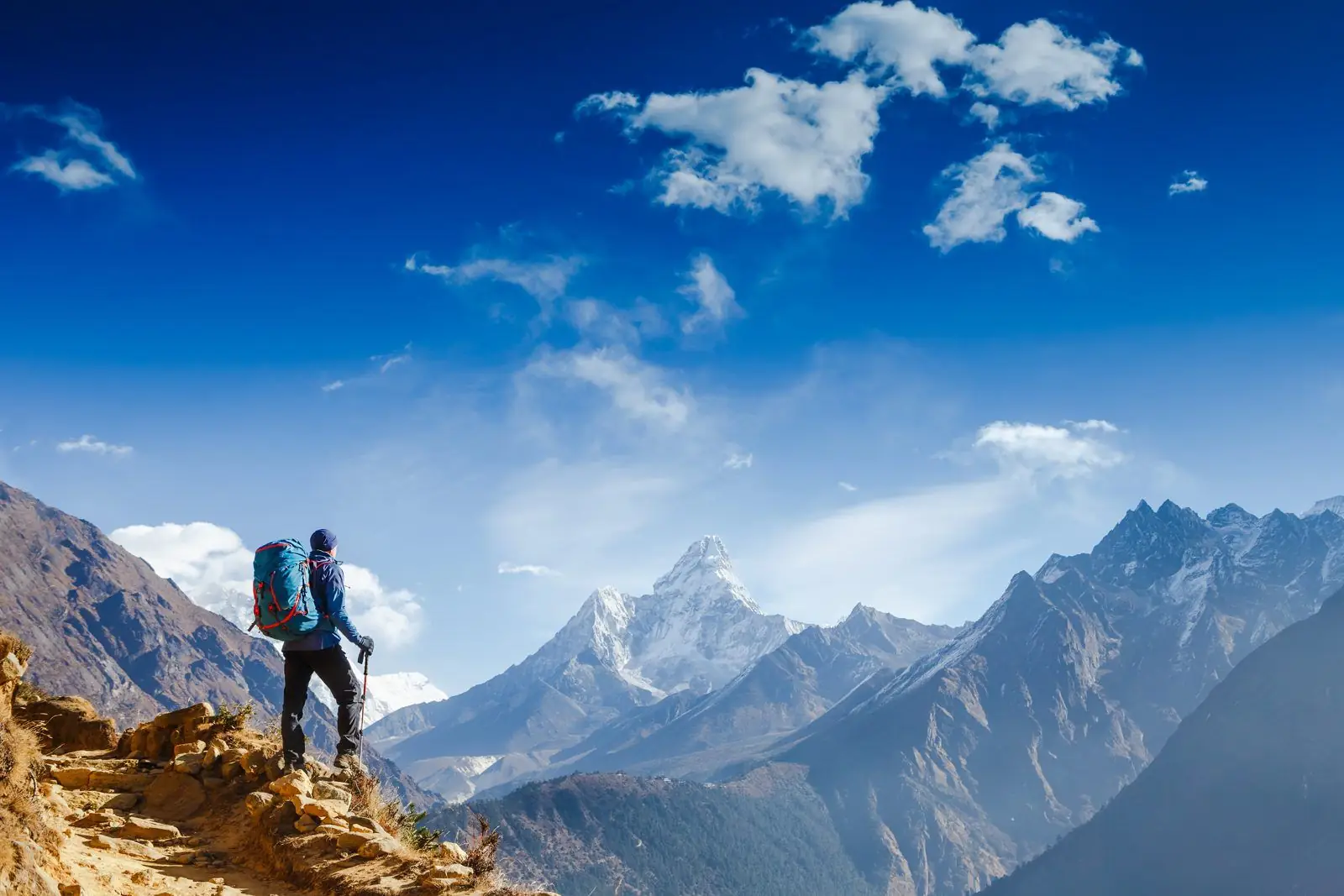
The summit gives views of Everest, Lhotse, Nuptse, Ama Dablam and Makalu. It is lower and easier than Island Peak or Mera Peak and a good test of how you feel above 5,500 m. Clear mornings give the best views, which is another reason to start early and to keep a spare day for weather.


