Namche Bazaar is the main town of the Khumbu in the Everest Region, built in a horseshoe of terraces at about 3,440 m. Nearly every Everest Base Camp, Gokyo and Three Passes trek stops here, usually for two nights, so the body can adjust before the trail climbs higher.
Altitude: about 3,440 m. Heights quoted for villages and camps vary by source, so treat this as a guide.
Where Namche Bazaar is and why trekkers stop
Namche lies above the Dudh Kosi valley, reached by a long climb from Monjo and Jorsale over the high suspension bridge. It is the point where the Everest and Gokyo trails still share the same path, so almost every group passes through. Trekkers stop for a rest day, to resupply and to let altitude settle. On our schedules, the walk to Phakding is short, and the next day takes you up to Namche. A spare night here is the best early protection for the days beyond.
What to expect at Namche Bazaar
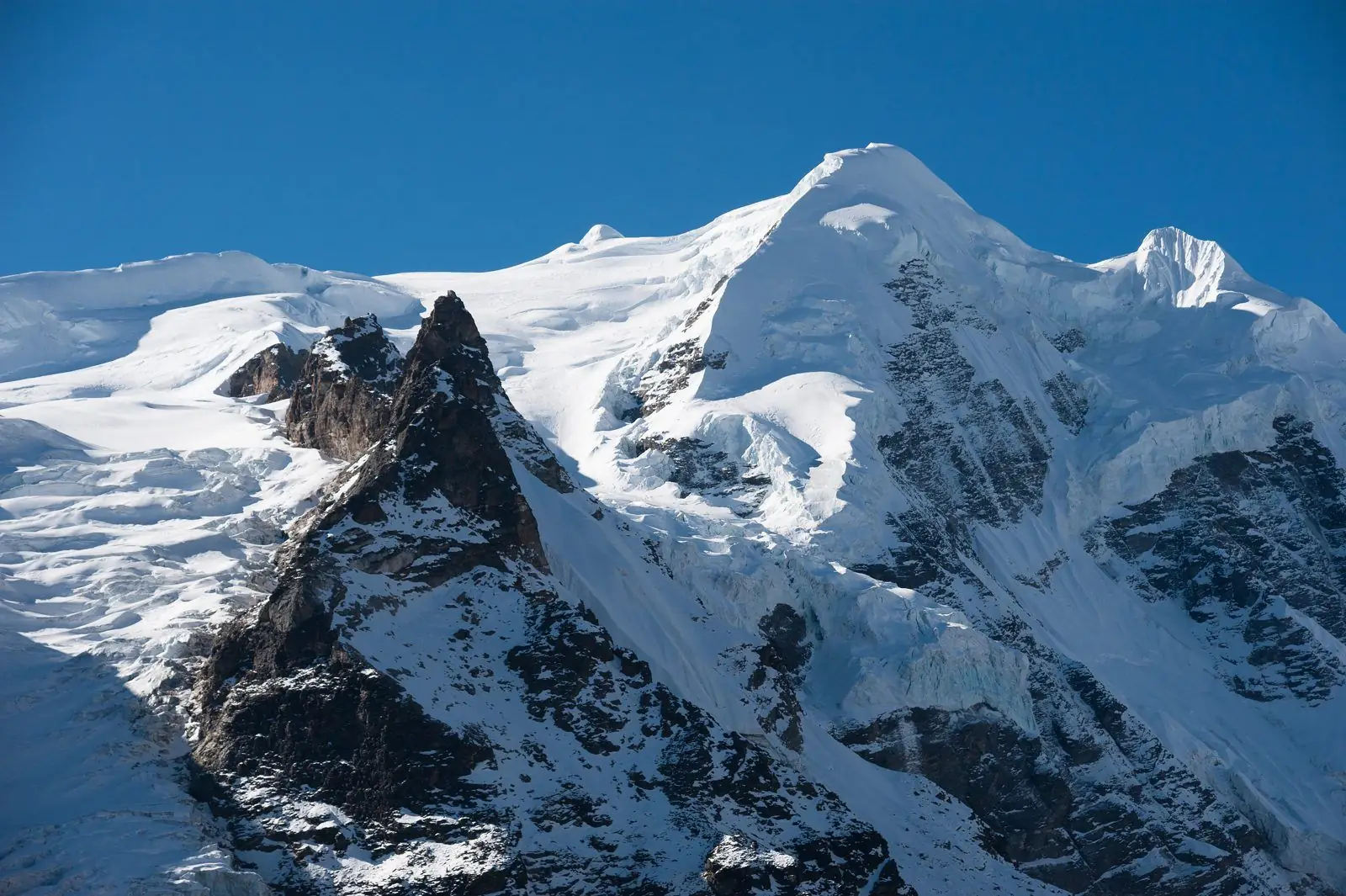
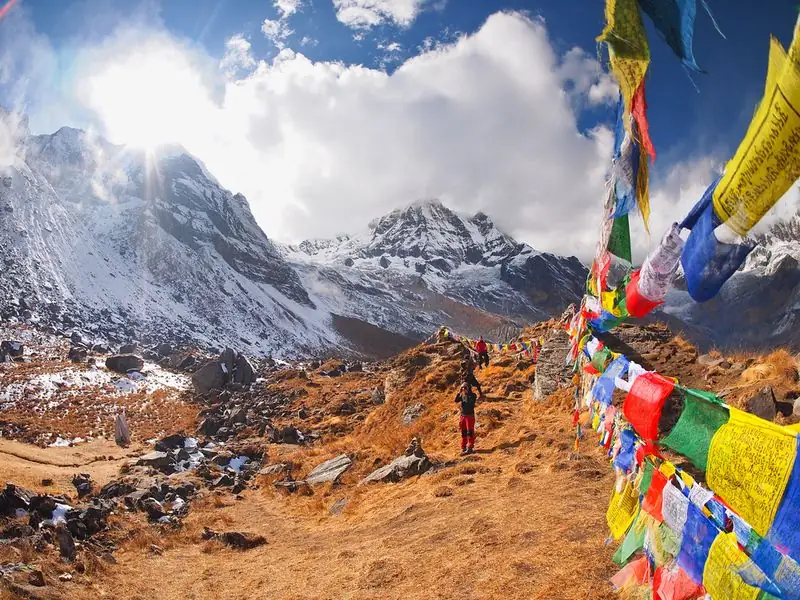
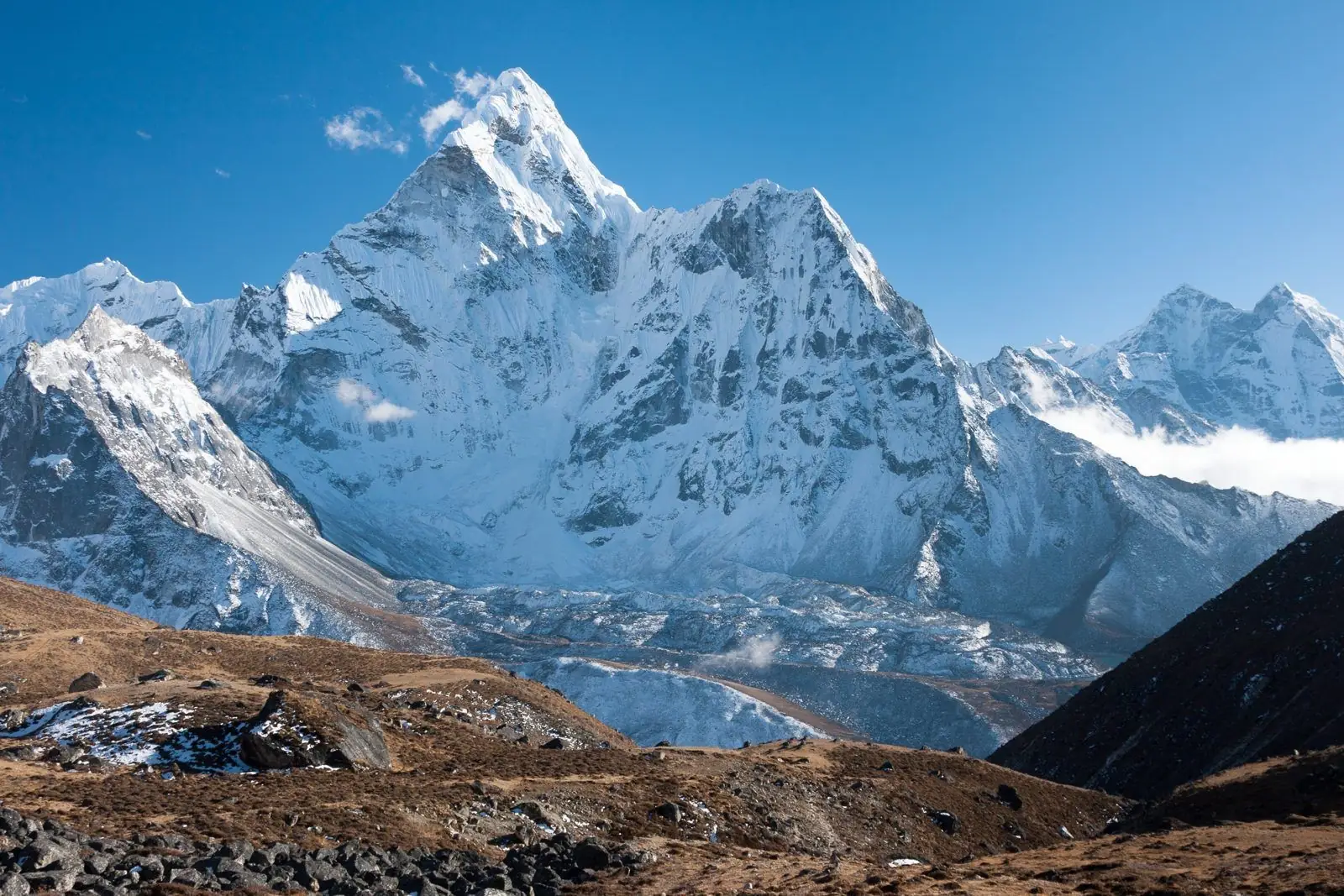
Expect steep stone lanes, bakeries, gear shops, internet cafes, a bank machine and a lively Saturday market for local traders. The town feels busy and sheltered, with lodges stacked up the hillside and prayer flags above. On a clear day, peaks including Thamserku and Kongde Ri show from higher viewpoints. A common rest day walk goes up to Khumjung or the Everest View hotel area, climbing high and sleeping low. Evenings are cold, so a warm layer matters as soon as the sun drops.
Altitude and how you may feel
At about 3,440 m, Namche is the first place where many trekkers notice the thinner air, with a mild headache, poor sleep or short breath on stairs. That is why a rest day here is standard. Walk higher during the day, then return to sleep lower. Drink steadily, eat well and go slowly. Altitude illness can strike even fit people, and if symptoms worsen you should descend and tell your guide. Do not carry on upwards with a worsening headache, vomiting or loss of balance.
Lodging, food and practical tips
Namche has the widest choice of lodging on the route, from basic rooms to places with hot showers and heated dining rooms. Food ranges from dal bhat and momos to pizza and baked goods. Prices rise with altitude, so buy any forgotten kit and cash here, because higher villages have fewer options. Charging and wifi cost extra in most lodges. Check your permits at the park gate on the way in, and keep warm layers in your day bag.
Stage guides that pass through Namche Bazaar
These day-by-day guides start or end at Namche Bazaar, with walking times, ascent and where to sleep.
- Namche Bazaar to Tengboche trek: altitude, time and route
- Namche Bazaar to Khumjung trek: altitude, time and route
- Lukla to Namche Bazaar trek: stages, altitude and time
- Namche Bazaar to Deboche trek: stages, altitude and time
- Namche Bazaar to Pangboche trek: stages, altitude and time
- Phakding to Namche Bazaar trek: altitude, time and route
- Monjo to Namche Bazaar trek: altitude, time and route
Common questions
Why do trekkers spend two nights in Namche Bazaar?
The extra night is for acclimatisation. You walk higher during the day and sleep at the same height, which helps your body adapt before the climb towards Tengboche or Dole.
Is Namche Bazaar the last place to buy gear?
It is the last big place with a wide choice of kit, food and cash services. Higher villages have a few shops, but selection is thin and costs go up, so sort essentials here.
How high is Namche Bazaar?
Namche is at about 3,440 m, which is roughly 600 m higher than Phakding. The climb from Monjo is the biggest uphill day of the early trek, so a rest day follows.