Mera Peak is a trekking peak, so climbing it requires a permit from the Nepal Mountaineering Association, which a registered trekking agency arranges on your behalf.
Climbing permit
The fee for this permit depends on the season and the authorities' schedule. We have not been supplied with a current official figure, so we do not quote one here. Ask us for the up-to-date amount for your dates.
TIMS and guide
The Mera Peak trek is named on the list of routes where a licensed trekking guide and an agency-issued TIMS card are required. TIMS costs NPR 1,000 for SAARC nationals, including Indians, and NPR 2,000 for others, paid online by the agency, which generates an eCard with a QR code for each trekker.
Park entry
The approach starts in the Everest region, where Sagarmatha National Park entry is NPR 3,000 for foreign nationals and NPR 1,500 for SAARC nationals, per entry, according to the figures supplied to us. Which protected areas your exact route crosses can vary with the variant chosen, so we confirm the entry fees for each itinerary.
Local fees
A local municipality fee may be charged in the Khumbu. We confirm how it applies to the standard route when you enquire.
What to provide
- Passport scan and photos.
- Insurance covering climbing to above six thousand metres and evacuation.
- Your travel dates and medical information.
Good to know
Fees and rules can change, so confirm them before booking.
The paperwork in plain terms
Several permits are usually needed: a climbing permit for the peak, a national park or conservation entry, and often a local area fee. Your operator normally handles these, but you will need to supply passport details and photographs in advance. Because requirements and fees can change, confirm the current list with your operator.
Why a guide is required
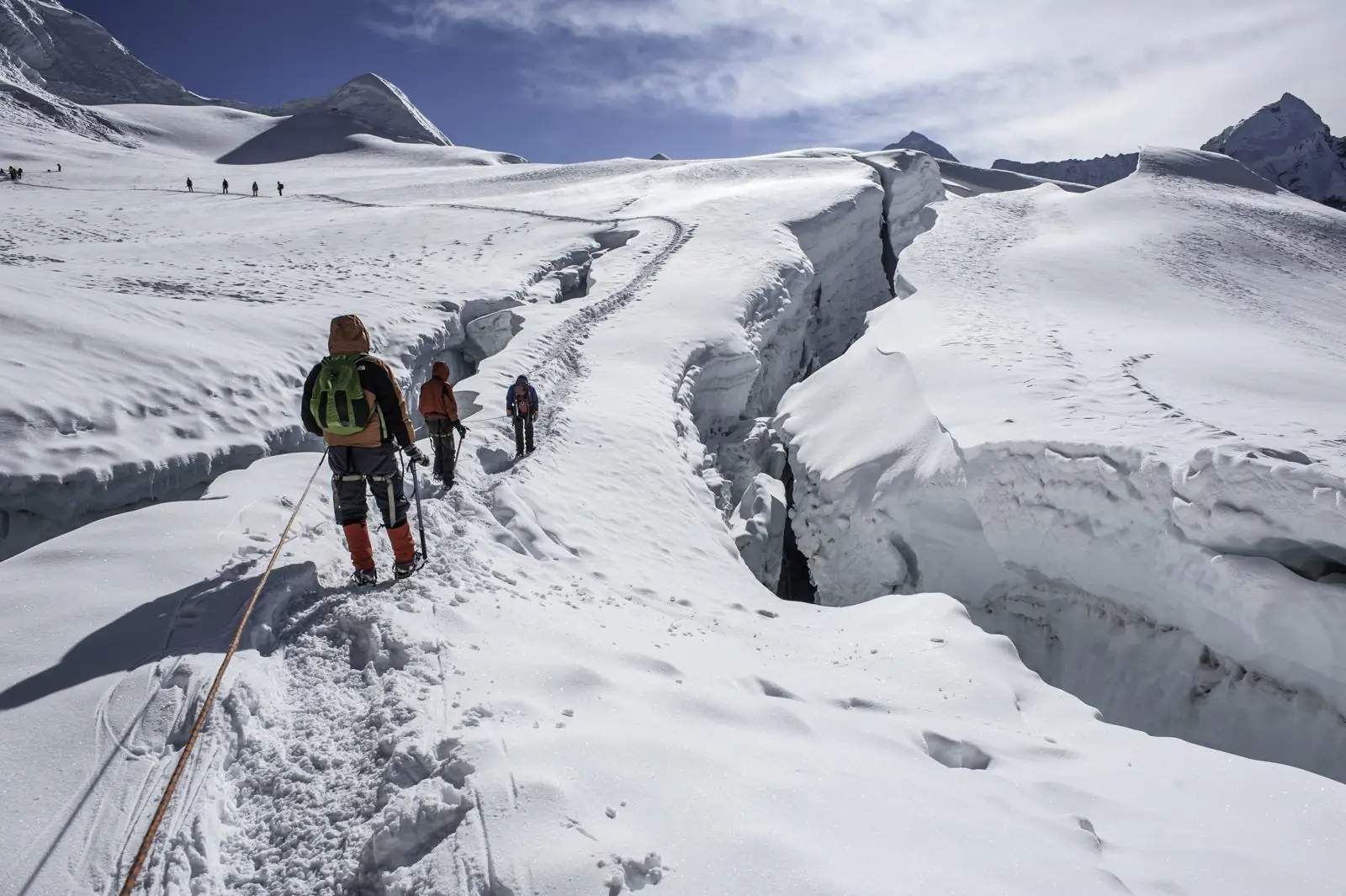
Climbing with a licensed guide is a standard requirement and a practical benefit. The guide knows the route, monitors conditions, helps with the rope and crampons, and is trained to respond if something goes wrong. Choose an operator that is registered in Nepal and can explain its safety procedures.
Respecting the area
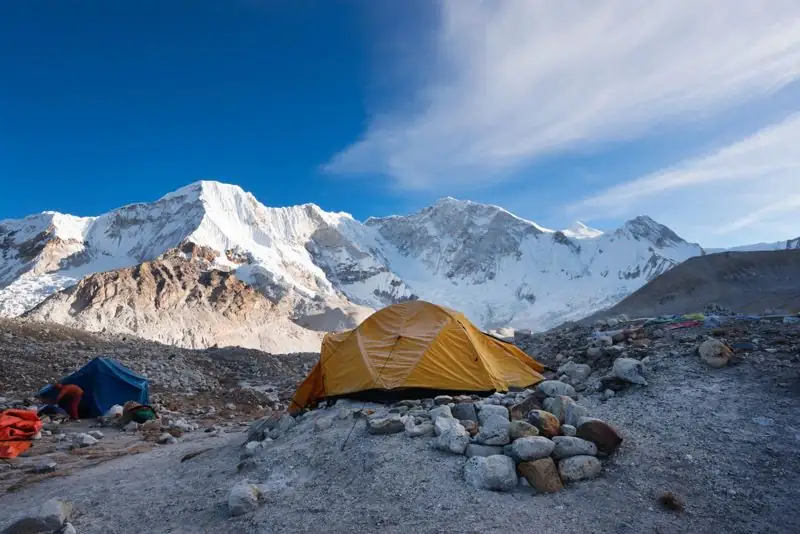
The Hinku valley is a sensitive environment. Carry out rubbish, avoid washing in streams and respect local customs, including walking clockwise around prayer walls. These small habits protect both the landscape and relations with local communities.
Where permits are issued
The climbing permit is issued by the national mountaineering authority, usually through your operator. Entry to the national park and local government fees may also apply, depending on the route. Fees vary by season, and operators typically include them in the package. Always check what is included.
What your operator will ask for
- Passport copy and photographs.
- Insurance details and emergency contact.
- Dates and route details.
- Information about previous experience and health.
Being a respectful climber
Leave no trace. Carry out your waste, including toilet paper, and respect local rules on camping and fires. The Hinku valley is a protected environment, and its fragile ecosystem depends on responsible visitors.