By
Thamel and the surrounding streets of Kathmandu are packed with shops selling jackets, sleeping bags, boots, trekking poles and backpacks, usually at a fraction of home prices. The catch is quality: much of it is unbranded or imitation, and it varies from shop to shop. This guide gives six checks that separate gear that lasts a trek from gear that fails on day three, plus what to buy, what to rent and how to bargain.
The short answer
- Ignore the logo. Famous brand labels on cheap gear in Thamel are almost always copies, so judge construction, not the label.
- Six checks: zippers, stitching, straps and clips, fabric, touts and bargaining.
- Good local buys: wool hats, gloves, socks and simple fleeces made in Nepal.
- Rent, do not buy: a warm sleeping bag and a down jacket you will use for one trek only.
- Never skimp on: broken-in boots, which should come from home.
Last checked: 26 October 2026. Prices change with season and demand, so treat any figure here as a rough guide.
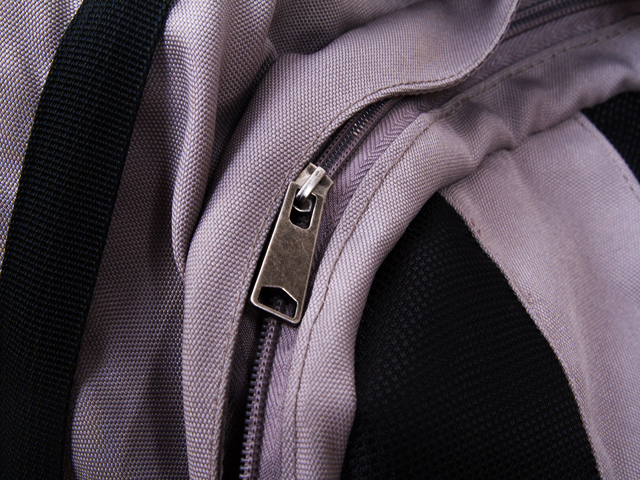
Test every zipper before you pay.
In this guide: Fake brands | Six checks | What to buy | What to rent | What to bring from home | FAQ
Why the brand label does not matter
Kathmandu is a manufacturing town for outdoor clothing, and many shops sell copies carrying well-known labels. A jacket marked with a famous brand at a tiny price is almost certainly an imitation unless it comes from a genuine brand outlet. That does not make it useless: a well-made copy can be warm enough for a trek, and a badly made original-looking jacket will not. Look at the product, not the badge, and the same budget buys much better gear.
Six checks before you pay
1. Zippers
Open and close every zipper at least five times. It should glide without catching, and the teeth should stay aligned. Larger, chunkier zippers are usually stronger, though not always. Loose or wavy stitching around the zipper tape is a warning sign, because that is where cheap jackets fail first. Check pocket zips too, since they carry your phone and passport.
2. Stitching
Turn the garment inside out. Seams should run straight, with small even stitches and no loose or dangling threads. Thread should be thick and strong, and the ends of seams should be locked, not left open. On a down jacket, look for feathers poking through the seams, which means poor quality fill or loose weave.
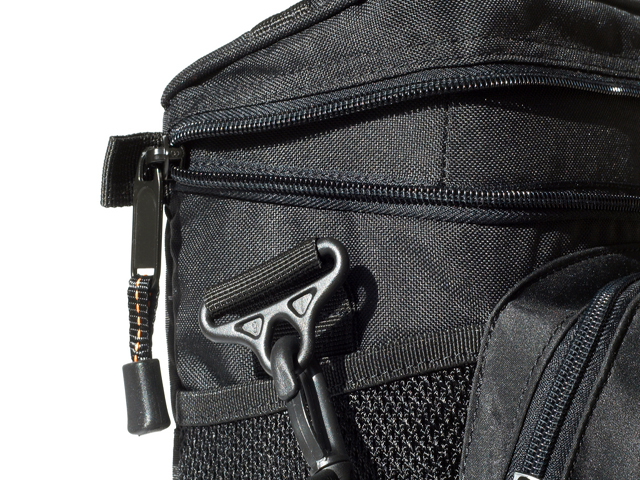
Even seams show careful manufacturing.
3. Straps and clips
For a backpack, check where the shoulder straps, hip belt and handles join the body. Pull hard on each one. The stitching should be reinforced with a box or cross pattern, not a single line. Test the buckles by clipping and unclipping them, because plastic that cracks in a shop will break on a trail. Load the pack with something heavy and walk around to feel how the weight sits.
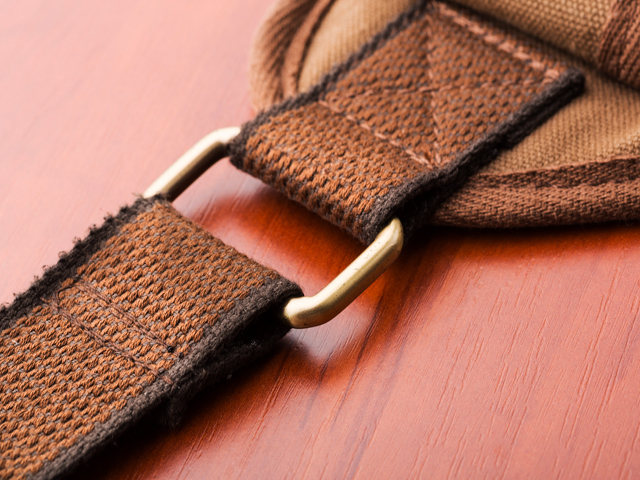
Pull on straps and check how they attach.
4. Fabric and insulation
Do not trust claims such as a waterproof membrane, a branded fabric or a fill rating on a label. Judge it by feel: rub the fabric between your fingers, hold it up to the light, and pull the seam gently to see whether it stretches or tears. A thin shell with a heavy price is a bad sign. For insulation, a real down jacket springs back after being squeezed, while a poor one stays flat and feels clumpy. If a warm jacket weighs almost nothing and costs almost nothing, ask why.
5. Touts
People who offer to guide you to a good shop are normally paid a commission by the shop, and it is added to your price. Walk in on your own, or ask your trekking company to suggest a few reliable shops. The Base Camp Hikes team can point you to places in Thamel that regularly serve trekkers.
6. Bargaining
Prices are negotiable, and the first quote is rarely the real one. A common approach is to offer around half the asking price on larger items and settle somewhere in the middle. Stay relaxed, compare two or three shops, and be willing to walk away, because the weakest deals happen when a seller can see that you love the item or that you leave for the trail tomorrow. Practise on small items such as a hat before bargaining on a big jacket.
Good things to buy in Thamel
| Item | Verdict | What to check |
|---|---|---|
| Wool hats, gloves and socks | Good value, often made locally | Thick, tight knit with no loose threads |
| Fleece jacket or mid-layer | Good value | Zippers and cuffs |
| Trekking poles | Good value | Locks hold under pressure, no wobble |
| Down jacket | Check carefully, or rent | Feathers escaping, seams, fill weight |
| Backpack or duffel | Fine for a duffel, check a daypack | Straps, buckles, seams |
| Sunglasses | Buy with proper UV protection | Look for a clear UV400 marking from a trusted shop |
| Boots | Do not buy here | Fit and broken-in comfort matter most |
What to rent instead of buying
Many shops in Thamel rent down jackets, sleeping bags and duffels by the day. If you will use an item only on this trek, renting is often cheaper and the better pieces are usually warm enough for high-altitude nights. Check the item as carefully as if you were buying it, ask for the rental terms and any deposit in writing, and clean the sleeping bag liner you carry in your own kit.
What to bring from home
- Broken-in trekking boots. New boots on a trek lead to blisters, and fit cannot be fixed in a day.
- Any prescription medicines and your usual first-aid kit.
- Well-fitting base layers and trekking socks you already know are comfortable.
- A daypack that fits you well.
The Everest Base Camp packing checklist lists what to carry and how to split it between Kathmandu and home.
How much time to allow
Allow half a day to compare shops and check items, ideally the day before your flight to the mountains, not the morning of departure, so that anything that needs a repair or exchange can be dealt with. Carry cash in rupees, as many small shops do not take cards. Keep your receipt and take photos of what you buy.
FAQ
Is gear cheaper in Kathmandu? Usually yes, for locally made and unbranded items, and often by a wide margin compared with home prices.
Are North Face and other brand jackets real in Thamel? Almost always copies, unless they are bought from an authorised brand store.
Are fake jackets warm enough? Some are, if well made. Judge the construction and fill, not the label.
Where in Kathmandu should I shop? Thamel is the main trekking-gear area, with shops lined along its streets.
Can I rent a sleeping bag? Yes, many shops rent sleeping bags and down jackets by the day.
Should I buy boots in Kathmandu? No. Boots need to be broken in, so bring a pair you have already walked in.
How much can I bargain? Start well below the asking price and settle in between. Be ready to walk away.
Do I need cash? Yes. Carry rupees, as small shops often do not accept cards and may add a fee if they do.
What should I check on a backpack? The stitching on straps, the buckles, the zippers and the seams, then load it and walk.
How do I tell a good down jacket from a bad one? It springs back after squeezing, has no feathers escaping from the seams, and has even stitching.
What local items are best value? Wool hats, gloves, socks and simple fleeces made in Nepal.
How early should I shop before my trek? The day before the flight at the latest, so that you can swap anything faulty.
Trekking with Base Camp Hikes
If you book a trek with the team, ask for advice on gear and reliable shops in Kathmandu. See the Everest Base Camp trek or the Annapurna Base Camp trek, or message the team on WhatsApp or phone at +91 932 595 1234 (9 am to 7 pm IST), write to info@basecamphikes.com, or use the enquiry form.