By
To summit Island Peak (Imja Tse, about 6,189 m) you need three things: proper acclimatisation, 8 to 12 weeks of training and a team that knows the mountain. This guide gives nine practical tips, from the climbing season and gear to the summit-day route and the right mindset. Island Peak is Nepal’s best-known trekking peak, and it is a good first 6,000 m climb for fit trekkers, but it is a real mountain with a steep glacier section, a long summit day and weather that can end an attempt.
Island Peak at a glance
- Height: about 6,189 m (published figures vary slightly).
- Our package: 18 days from Kathmandu, INR 180,000 per person on two sharing, via Everest Base Camp and Kala Patthar.
- Summit day: about 12 to 14 hours, from a pre-dawn start.
- Best months: March to May and late September to November.
- Experience needed: no prior climbing, but good fitness and altitude exposure.
Last checked: 28 October 2026. Heights, times and conditions are approximate and change by season. Confirm the plan, gear and conditions for your dates with your operator.
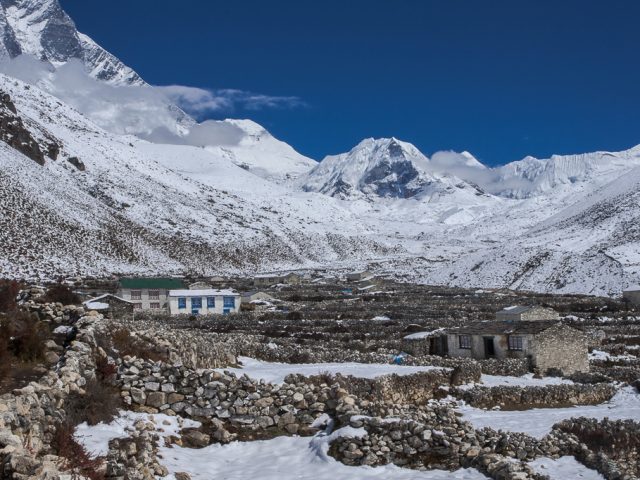
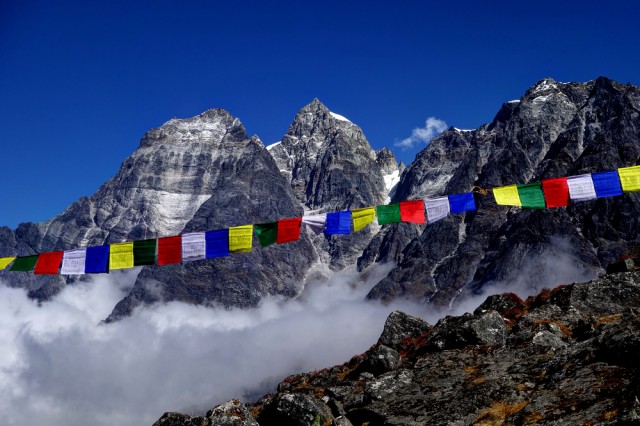
Island Peak above Chhukung.
In this guide: 9 tips | Camps compared | Are you ready? | FAQ
The peak was named for the way it looks from the valley near Dingboche, like an island in a sea of ice. It stands in the middle of a wide valley, with Lhotse behind it, Makalu to the east and Ama Dablam to the west. For the mountain’s history, itinerary and costs, see the full Island Peak climbing guide. This post focuses on tips.
9 tips to summit Island Peak
1. Acclimatise properly
Any peak above 6,000 m is a serious altitude challenge. A good rule above 3,000 m is to raise your sleeping height by about 300 to 500 m a day and to take rest days. Our schedule sends you to Everest Base Camp and Kala Patthar before Island Peak, which gives your body time to adjust. If you struggle, the best fix is to wait a day or two at a lower height until you feel better, not to push on. Read the altitude sickness guide before you go.
2. Build in spare days
The package is 18 days, but flights and weather do not follow schedules. Plan extra days at the end for Lukla delays, and be ready for a weather day on the mountain. A flexible plan gives you a second chance at the summit and avoids missed international flights. See the Lukla vs Ramechhap guide.
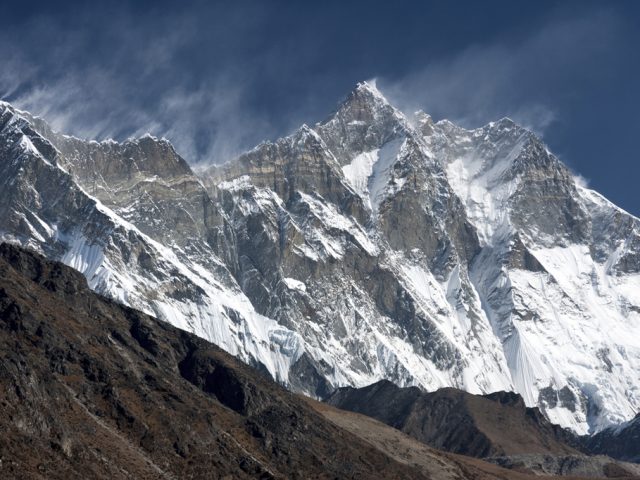
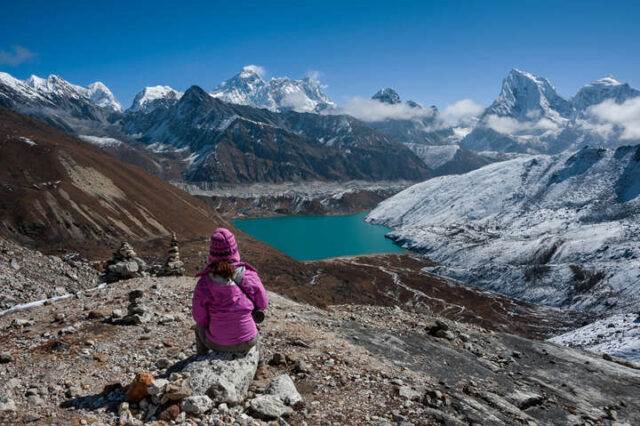
Lhotse seen from Island Peak.
3. Train for long days, not for speed
You do not need to be an athlete, but you should be able to hike all day, several days in a row, with a pack. Summit day lasts 12 to 14 hours, so stamina matters more than speed. A good plan combines cardio (running, cycling or swimming), hill or stair climbing with a weighted pack and a few long weekend hikes. Allow 8 to 12 weeks. The 12-week training plan adapts well to Island Peak. Being able to run 5 km comfortably is a useful sign of a base level of fitness.
4. Choose the season carefully
Spring (March to May) and autumn (late September to November) are the main climbing windows. Winter brings heavy snow and bitterly cold, strong winds on the summit ridge, so most operators do not run the climb from December to mid-February. Early spring can be difficult if fresh snow has fallen. After a storm, the route usually needs a few days to be packed down. Allow flexibility for weather in your plan.
| Months | Conditions | Suitability |
|---|---|---|
| March to May | Clearer skies, warmer, some fresh snow in March | Good, busier in April and May |
| June to early September | Monsoon: rain, cloud, flight delays | Not recommended |
| Late September to November | Stable weather, cold nights, best views | Best, busy in October |
| December to mid-February | Heavy snow and very cold wind | Usually not run |
5. Get the right gear
Our package covers the technical climbing gear, but check exactly what is included for your dates. Plastic mountaineering boots can be rented near the mountain, but rental boots are of average condition and sizes are limited. If you have an unusual size, tell the team in advance so they can check availability, or bring your own boots. See the packing checklist for what to bring, and read tips on buying gear in Kathmandu.
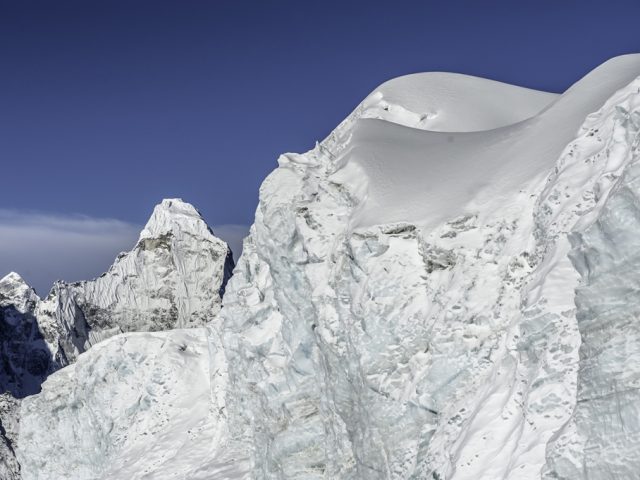
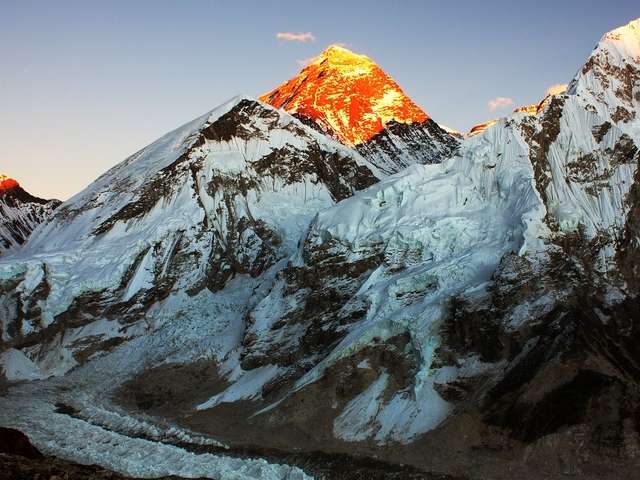
Near the summit, with Ama Dablam in the distance.
6. Climb with a licensed team
Climbing permits must be arranged through a licensed trekking company. Going with a guide and porters means you carry less, move faster and can concentrate on the climb. Government-licensed climbing guides check conditions, fix ropes and make the call on whether to go up or turn back. Our Island Peak package includes the permit, guides, porters and transfers.
7. Know what to expect at base camp or high camp
Teams use two approaches. Some operators climb from a high camp at around 5,600 m, which shortens summit day but makes for a cold night with limited water. Our plan uses the lower Island Peak base camp at about 5,200 m, with a training day for harness, ascenders, crampons and ropes, and then starts from base camp around midnight for a single long push. Whichever style you use, expect tents on rocky ground, simple food and little sleep. Camps get busy in the main season, so keep valuables with you and do not leave them in your tent while you climb.
| Base camp (our plan) | High camp (some operators) | |
|---|---|---|
| Height | About 5,200 m | About 5,600 m |
| Summit day length | Longer, about 12 to 14 hours | Shorter on summit day |
| Night before | More comfortable, more water | Colder, water limited |
| Start time | Around midnight | Around 2 am |
| Acclimatisation | Better, lower sleeping height | Higher sleeping height |
8. Know the summit-day route
Leaving camp, you climb a steep gully, then reach the glacier, where you put on crampons. The hardest section is usually the steep snow and ice headwall before the summit ridge, where fixed ropes are normally used and you are roped to your guide. There are a few crevasses to cross, and ladders may be placed over the larger ones. Conditions change from year to year, so ask what is in place on your dates. The summit ridge is narrow and exposed, so move slowly and stay clipped in. Descend on the same line, often abseiling steep sections.
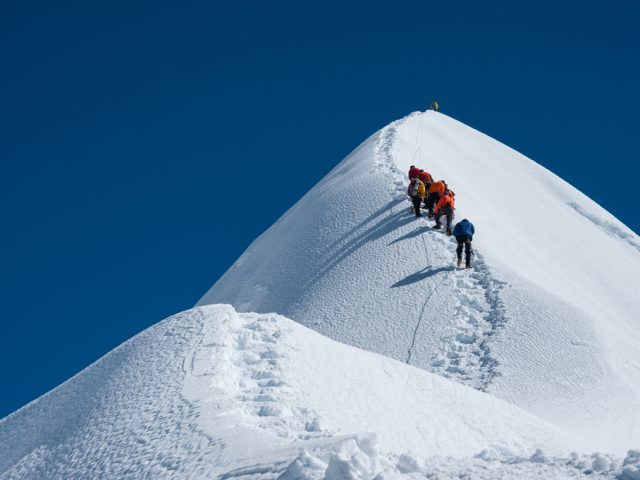
The final approach to the summit.
9. Bring the right attitude
Attitude is often the deciding factor. Fit trekkers can struggle if they complain and fight the conditions, while less fit trekkers with patience and good humour often do well. Things will not always go to plan, with weather, delays and cold nights, and the mountain does not guarantee a summit. Accept that a turnaround is possible, because turning back safely is part of good mountaineering. The views from the valley and base camp are worth the trip even if the weather stops you at the top.
Are you ready for Island Peak?
| You are probably ready if you… | Think again if you… |
|---|---|
| Hike regularly and have done a high-altitude trek | Have never trekked above 3,500 m |
| Can train for 8 to 12 weeks beforehand | Are booking within a few weeks with no preparation |
| Accept that a turnaround is possible | Need a guaranteed summit |
| Are 17 or older (the minimum on our package page) | Are under 17 |
Check that your policy covers climbing to 6,000 m and helicopter evacuation. See the insurance guide. For other peaks, compare Lobuche East, Mera Peak and the wider list in Nepal’s greatest trekking peaks.
FAQ
How hard is Island Peak? It is physically demanding rather than technically extreme. It needs fitness, acclimatisation and a steep headwall with fixed ropes. No prior climbing is required.
How high is Island Peak? About 6,189 m. Published figures vary slightly.
How long does Island Peak take? Our package is 18 days from Kathmandu, including Everest Base Camp. Summit day takes about 12 to 14 hours.
When is the best time to climb Island Peak? March to May and late September to November.
Do I need climbing experience? No. A training day covers harness, ascenders, crampons and rope handling.
How should I train for Island Peak? Allow 8 to 12 weeks of cardio, hill climbing with a pack and long hikes.
Can I rent boots for Island Peak? Plastic boots can be rented near the mountain but are of average condition. Tell your operator your size in advance.
Do I need a guide for Island Peak? Yes. Permits are arranged through a licensed company, and licensed guides are needed on the climb.
What is the difference between base camp and high camp? Base camp is lower, at about 5,200 m. A high camp, at about 5,600 m, shortens summit day but is colder and has limited water.
What is the hardest part of Island Peak? The steep headwall before the summit ridge, plus the length of the day and the altitude.
Is Island Peak the easiest trekking peak? It is among the most popular and a common first 6,000 m peak, but it is still a serious climb.
How much does Island Peak cost? The package page lists INR 180,000 per person on two sharing for 18 days. Prices can change, so confirm before you book.
Plan your Island Peak climb with Base Camp Hikes
Start with the 18-day Island Peak climb and check the upcoming climb dates. For a quote, message the team on WhatsApp or phone at +91 932 595 1234 (9 am to 7 pm IST), write to info@basecamphikes.com, or use the enquiry form.
Sources
- Nepal Tourism Board: safety in the mountains