 By
Nepal’s best hidden lakes start with Rara in the far west, Phoksundo in Dolpo, Tilicho above Manang, the holy lakes of Gosaikunda near Langtang and the turquoise Gokyo lakes in the Everest region. Five more, Panch Pokhari, Kajin Sara, Kapuche, Ponkar and low-altitude Rupa, are covered further down. None of them is truly unexplored, but all are far quieter than the big-name trails, and two of them need a flight and several days of walking before you even see the water. This guide gives each lake’s height, how to reach it, the best months, how hard it is and which of our treks include it.
Hidden lakes at a glance
- Easiest to reach: Gosaikunda and Gokyo, by road or a Lukla flight.
- Most remote: Rara (about 2,990 m) and Phoksundo (about 3,611 m), both in the far west.
- Highest: Tilicho, at 4,919 m according to NTB. Kajin Sara, reported at about 5,000 m, is newer and not officially confirmed as higher.
- Lowest: Rupa Lake near Pokhara, at about 600 m, and Kapuche, at about 2,450 m.
- Best months for most: March to May and October to November.
- Permits: park entry permits for Rara, Phoksundo and Langtang, and a licensed guide plus TIMS card on Tilicho.
Last checked: 28 October 2026. Heights are approximate and vary by source. Rules, flights and trail conditions change, so confirm them before you book.

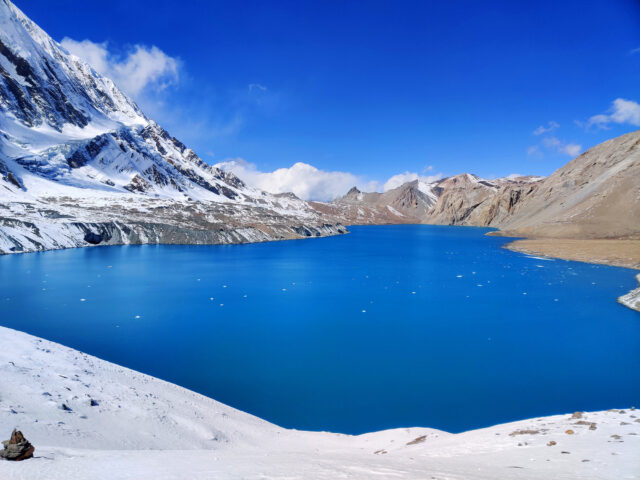
Tilicho Lake above Manang.
In this guide: Lakes compared | The 5 main lakes | 5 more lakes | Best months | Difficulty | How to choose | Safety and permits | FAQ
Five hidden lakes compared
| Lake | Height | Region | How you get there | Difficulty | Our trek |
|---|---|---|---|---|---|
| Rara Lake | About 2,990 m | Mugu and Jumla, far west | Fly Kathmandu to Nepalgunj to Jumla, then walk 2 to 3 days | Moderate, remote | On request |
| Phoksundo Lake | About 3,611 m | Dolpa, Shey Phoksundo National Park | Fly to Nepalgunj, then to Dolpo, then walk to Ringmo | Moderate, remote | Phoksundo Lake trek (ask us) |
| Tilicho Lake | 4,919 m | Manang, Annapurna | Walk from Manang, with a side trip from the Circuit | Hard, high altitude | Annapurna Circuit and Tilicho Lake, 16 days, INR 115,000 |
| Gosaikunda | About 4,380 m | Langtang National Park | Jeep from Kathmandu to Dhunche or Syabru Bensi, then trek | Moderate to hard | Holy Lakes of Gosainkunda, 8 days, INR 60,000 |
| Gokyo Lakes | Gokyo Ri about 5,357 m | Everest region | Fly to Lukla, then trek up the Gokyo valley | Moderate to hard | Gokyo and Renjo La, 14 days, INR 90,000 |
The 5 lakes, one by one
1. Rara Lake: Nepal’s largest lake
Rara sits at about 2,990 m in the far north-west, inside Rara National Park, which NTB describes as the country’s smallest national park. NTB calls it Nepal’s biggest lake, and says it is up to 167 m deep in places. There is no road to the lake: you fly from Nepalgunj to Jumla and then walk for two to three days through quiet villages and forest, with snow peaks behind. NTB lists spring, summer and autumn as the best time to visit, with many waterfowl in winter. Rara is one of the few Nepal lakes at a gentle altitude, so it suits trekkers who want a remote walk without high-altitude risk. Ask us about a custom plan.
2. Phoksundo Lake: the deep blue of Dolpo
Phoksundo lies in Dolpa District inside Shey Phoksundo National Park, at about 3,611 m. The park is a protected wetland: the lake was listed as a Ramsar site in 2007. A 2019 survey measured a maximum depth of about 136 m, and a 2004 survey gave about 145 m, so sources differ. The village of Ringmo sits at the southern end, and a 167 m waterfall drops below the outflow. You reach the area by flying to Nepalgunj and onward to Dolpo, then walking for about two days. The park is remote, with limited facilities, so plan food, cash and delays. Upper Dolpo is a separate restricted area, so ask us before going beyond the lake. Our Phoksundo Lake trek page has the current itinerary.
3. Tilicho Lake: one of the highest lakes you can walk to
NTB gives Tilicho Lake as 4,919 m. It is a large glacial lake in the Manang area of the Annapurna region, and for many trekkers it is the high point of the Annapurna Circuit side trip. The route is steep, exposed in places and cold, so you need good acclimatisation from Manang and time for a rest day. NTB says trekkers on the Tilicho route must be accompanied by a licensed guide and carry an agency-issued TIMS card, under rules effective 31 March 2023. Spring and autumn are the usual windows. Read the Annapurna Circuit guide and Thorong La crossing guide for the full circuit, or see our 16-day Annapurna Circuit and Tilicho Lake trek.
4. Gosaikunda: holy lakes close to Kathmandu
Gosaikunda is a cluster of alpine lakes at about 4,380 m in Langtang National Park. Hindu pilgrims walk here every year, especially around the Janai Purnima full moon in August, and Buddhists also honour the lakes. It is the most accessible of the five: a jeep from Kathmandu takes you to the trailhead, and our short trek reaches the lakes in a few days. The final climb is steep and the air is thin, so take the schedule slowly. Read why Langtang is worth choosing and see our 8-day Holy Lakes of Gosainkunda trek or the 10-day Langtang and Gosaikunda trek.
5. Gokyo Lakes: the turquoise chain of the Everest region

The Gokyo lakes in the Everest region.
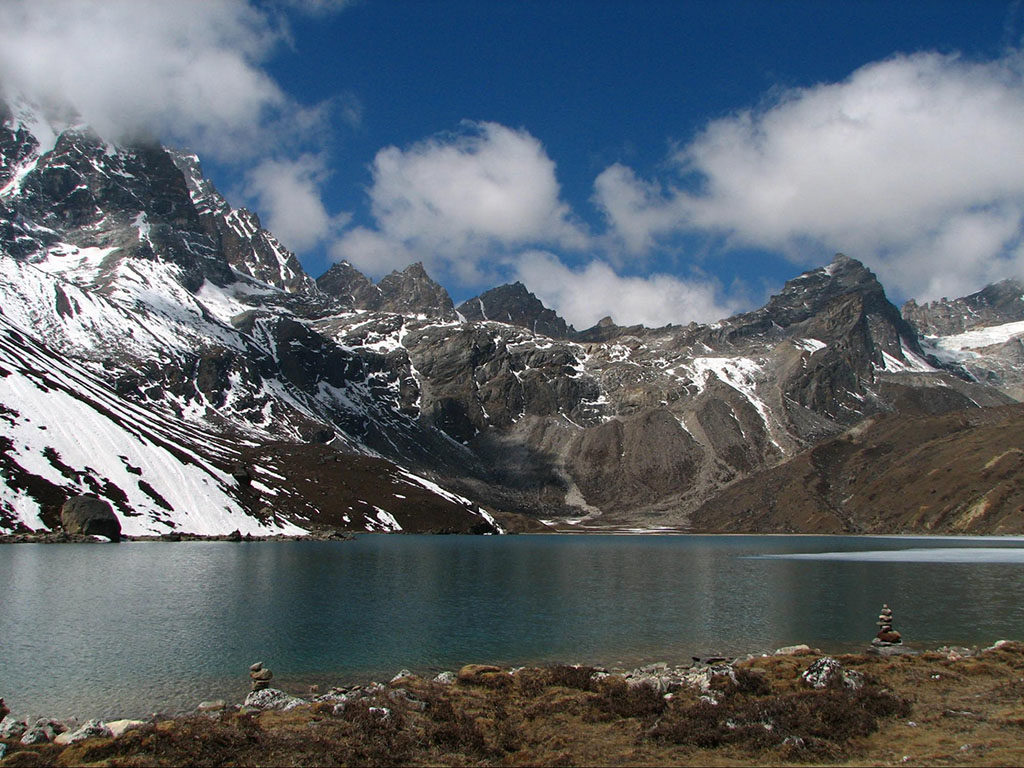
A Gokyo lake beside the trail.
The Gokyo valley has a chain of glacial lakes, with Gokyo Ri (about 5,357 m) above them for a view of Everest, Lhotse, Makalu and Cho Oyu. It is less crowded than the main Base Camp route, especially if you do Gokyo on its own with Renjo La. A frozen lake near Kongma La on the Three Passes route shows how different the same region feels in colder months.
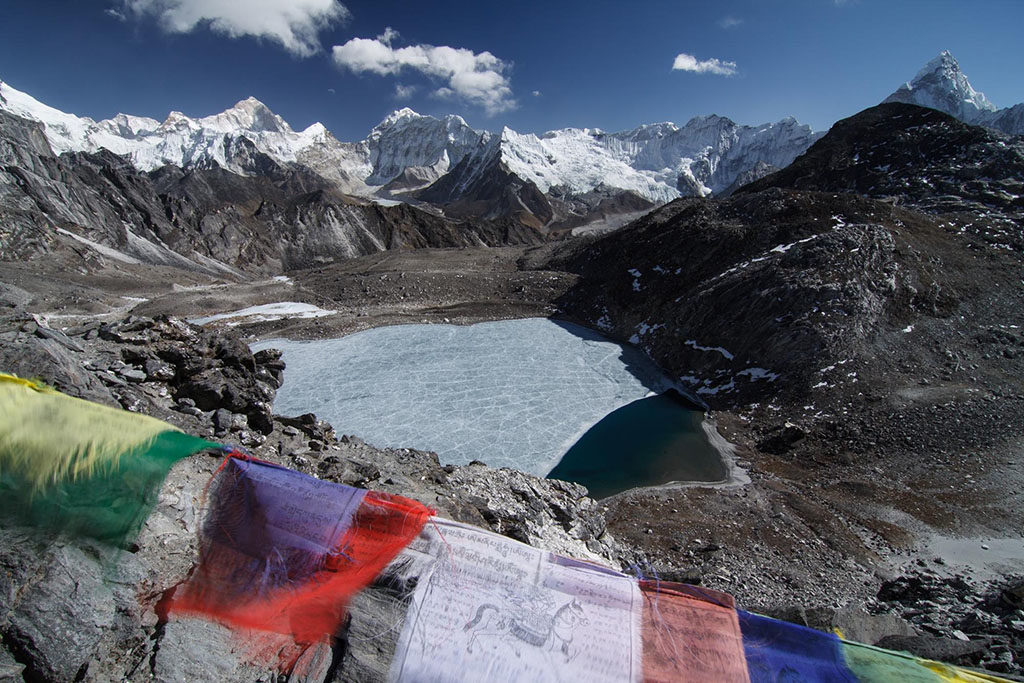
A frozen lake near Kongma La.
For the full trek, read the Gokyo hidden lakes trek guide and Everest Base Camp vs Gokyo with Everest, or see our Gokyo Lakes trek and Gokyo and Renjo La.
Five more hidden lakes worth knowing
These are less established than the first five. Some have thin official information, so treat heights as approximate and confirm routes with an operator.
| Lake | Height | Region | What to know |
|---|---|---|---|
| Panch Pokhari | About 4,100 m | Sindhupalchok | Five holy lakes; Hindu pilgrims visit around the August full moon |
| Kajin Sara | Reported about 5,000 to 5,200 m | Chame, Manang | Found in 2019; camping route; not officially confirmed as the highest lake |
| Kapuche | About 2,450 m | Kaski, near Sikles | Claimed to be the lowest-altitude glacial lake; short trek |
| Ponkar Lake | About 4,100 m, operator figure | Manaslu side, near Bimthang | Reached from Bimthang below Larkya La |
| Rupa Lake | About 600 m | Pokhara valley | Low-altitude lake with many waterbirds |
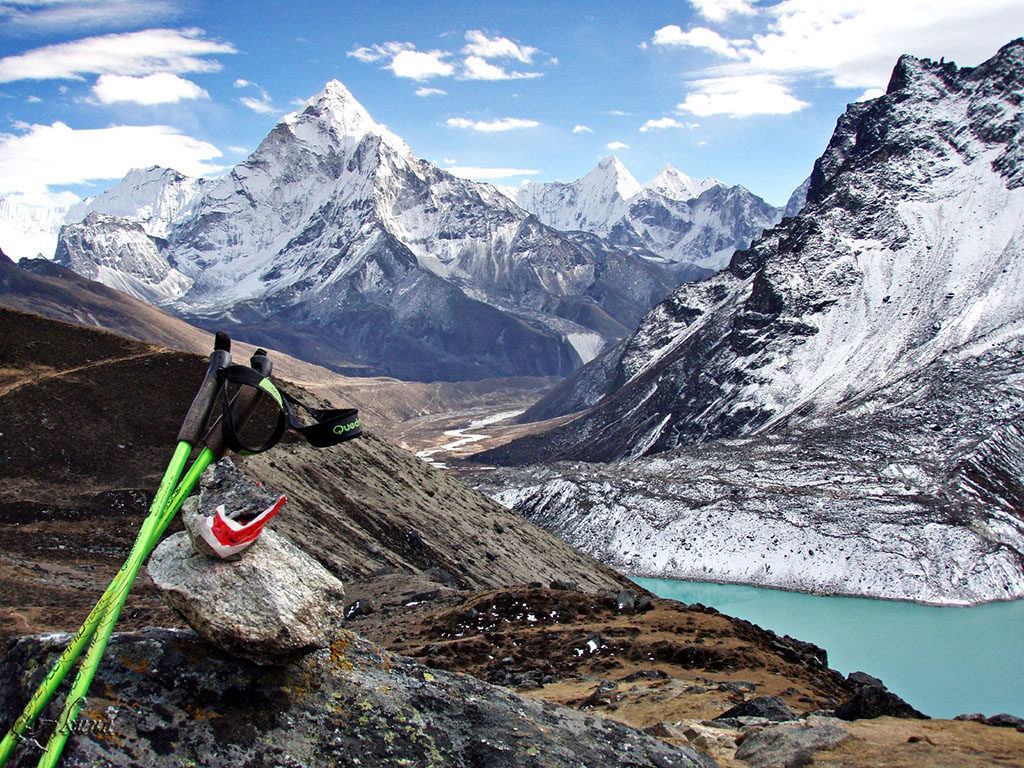
Walking beside the Gokyo lakes.
6. Panch Pokhari: five holy lakes
Panch Pokhari means five ponds, and it is a set of high lakes in Sindhupalchok District that are sacred to Hindus. Pilgrims walk here around the August full moon, but outside that week the trail is very quiet. The altitude is around 4,100 m, so allow time to acclimatise, and ask your operator about the road access and the number of trek days because they change with road conditions.
7. Kajin Sara: the newest high lake
Kajin Sara lies near Chame in Manang District. Mountaineers reported it in 2019, and press reports gave heights from about 5,000 m to 5,200 m, with some calling it a contender for the world’s highest lake. That ranking has not been confirmed, and the figure varies by source, so treat the claim with caution. The route climbs from Chame to a Lamjung Himal base camp and a high camp above 4,700 m, and trekkers carry food and sleeping gear. It is for fit, acclimatised trekkers with a guide, not for a first high-altitude trip.
8. Kapuche Lake: a short trek from Pokhara
Kapuche is in Madi Rural Municipality in Kaski, at about 2,450 m, and is claimed to be the lowest-altitude glacial lake in the world. It is thought to have formed from avalanche snow between Annapurna II and Annapurna IV, and local people say it has grown with climate change. It is about a day’s trek from Sikles near Pokhara, which makes it the easiest of the unusual lakes to reach. Trails can be rough in places.
9. Ponkar Lake: below Larkya La
Trekking operators place Ponkar Lake on the Manaslu side, below the Larkya La pass, at about 4,100 m, reached from Bimthang. It suits people who already plan the Manaslu Circuit and want a quiet side walk. Permits and guide rules depend on the route, so check them with your operator. See our Manaslu Circuit preparation guide.
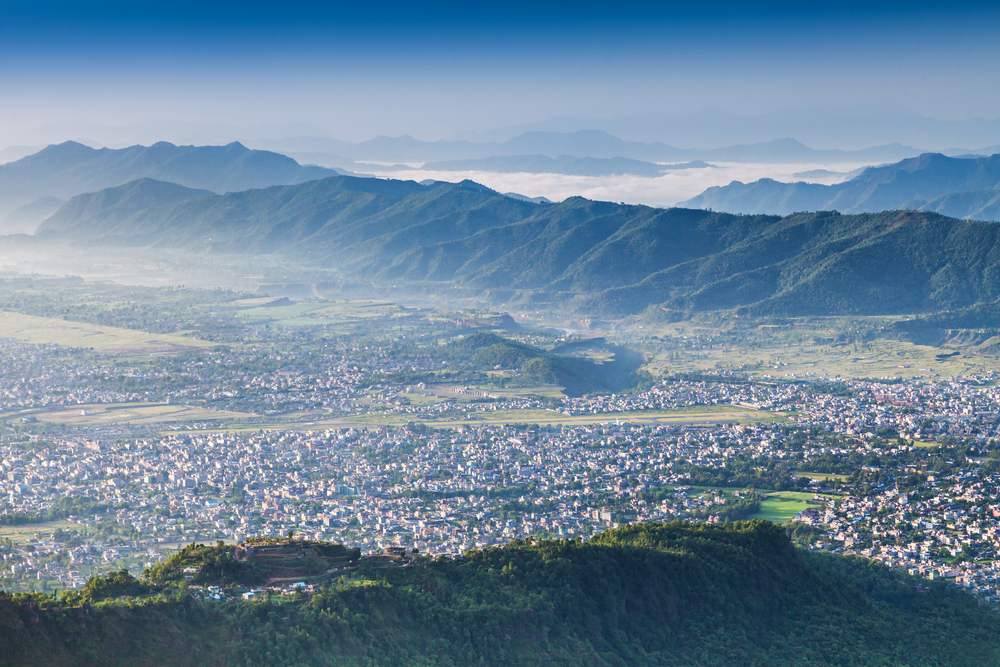
The Pokhara valley, base for Kapuche and Rupa lakes.
10. Rupa Lake: a low-altitude escape
Rupa Lake sits at about 600 m near Pokhara, covering about 1.35 km² with a maximum depth of about 6 m. It is shallow, quiet and good for birdwatching: 36 waterbird species have been recorded there. It is also used for boating and fish farming, so it is quiet rather than untouched. It is a good rest-day option before or after a high trek.
Which hidden lake should you choose?
| If you want… | Choose | Why |
|---|---|---|
| Quiet trails at a gentle altitude | Rara Lake | About 2,990 m, remote villages, no road |
| A deep blue lake with a waterfall below it | Phoksundo Lake | Protected Dolpo wetland |
| A high, dramatic lake as an Annapurna add-on | Tilicho Lake | 4,919 m, needs acclimatisation |
| A short trek from Kathmandu | Gosaikunda | Jeep access, 8-day option |
| A short trek from Pokhara | Kapuche Lake | About a day from Sikles |
| A low-altitude lake for a rest day | Rupa Lake | About 600 m, waterbirds |
| Lakes with an Everest view | Gokyo Lakes | Gokyo Ri panorama |
Best months for each lake
| Lake | Usual window | Notes |
|---|---|---|
| Rara | Spring, summer and autumn (NTB) | Winter has snow, and many waterfowl |
| Phoksundo | Spring and autumn | Confirm flights and trail conditions for your dates |
| Tilicho | March to May, late September to November | Cold and exposed; allow rest days |
| Gosaikunda | March to May, October to November | Busy around the August full moon |
| Gokyo | March to May, October to November | Colder and quieter in winter |
| Kajin Sara, Panch Pokhari, Ponkar | Spring and autumn | Remote; check with an operator |
Which lake is easiest, which is hardest?
| Level | Lake | Main challenge |
|---|---|---|
| Easiest | Rupa Lake | Almost none; it is a valley walk near Pokhara |
| Easy to moderate | Kapuche Lake | Rough trail and one long day |
| Moderate | Rara Lake | Flights to Jumla, remote walking and limited facilities |
| Moderate to hard | Phoksundo Lake | Flights and remote Dolpo trails |
| Hard | Gosaikunda, Gokyo, Tilicho | Altitude above 4,000 m |
| Hardest | Kajin Sara | Camping, steep trail and altitude above 5,000 m |
Pair a lake with a classic trek
| Classic trek | Add this lake | Where to read more |
|---|---|---|
| Annapurna Circuit | Tilicho Lake | Our 16-day circuit and Tilicho trek |
| Langtang valley | Gosaikunda | Our 10-day Langtang and Gosaikunda trek |
| Everest Base Camp | Gokyo Lakes | Our 17-day Everest Base Camp and Gokyo trek |
| Manaslu Circuit | Ponkar Lake | Ask your operator about Bimthang |
| Pokhara rest days | Kapuche or Rupa | Short walks before or after a trek |
Remote-lake checklist
- Buffer days: add at least one spare day for Rara and Phoksundo because small-plane flights can be delayed.
- Cash: carry rupees for remote villages, where cards and ATMs may not work.
- Water: follow our water purification guide.
- Warmth: use the packing checklist and add an extra layer for lakes above 4,000 m.
- Fitness: start with the plan in training for Everest Base Camp.
- Insurance: choose cover for trekking and helicopter evacuation.
Safety, permits and the best season
Remote lakes need more preparation than popular routes. Tilicho and Gosaikunda are above 4,000 m, so follow the acclimatisation rules in our altitude sickness guide. Rara and Phoksundo are lower but far from help, so flights can be delayed and evacuation is slow. Choose insurance that covers trekking and helicopter evacuation: see our insurance guide. Park entry permits apply in Rara National Park, Shey Phoksundo National Park and Langtang National Park, and the current fees are on the NTB park entry fees page. Mountain weather can change quickly, so keep a spare day in your plan and confirm the route and conditions for your dates.
FAQ
Which is the most remote lake in Nepal? Rara and Phoksundo are the best-known remote lakes. Both are in the far west and need a flight and several days of walking.
Which is the largest lake in Nepal? NTB describes Rara Lake as Nepal’s biggest lake, at about 2,990 m.
Which is the highest lake in Nepal? NTB lists Tilicho Lake at 4,919 m. Kajin Sara, reported in 2019 at about 5,000 m or more, is a contender, but its height and ranking are not officially confirmed.
How do I get to Rara Lake? Fly from Nepalgunj to Jumla, then walk two to three days to the lake. There is no road to the lake itself.
How do I get to Phoksundo Lake? Fly to Nepalgunj, then to Dolpo, then walk to Ringmo and the lake. Ask us for a current itinerary.
Do I need a guide for Tilicho Lake? NTB says trekkers on the Tilicho route must be accompanied by a licensed guide and carry an agency-issued TIMS card.
When is the best time to visit Gosaikunda? Spring and autumn are the usual windows. Pilgrims visit around the Janai Purnima full moon in August, when trails are busy.
Are these lakes really unexplored? No. Most have been visited for generations, and even the newest, Kajin Sara, was found by mountaineers rather than unknown. They see far fewer trekkers than the Everest and Annapurna classics.
Is Gosaikunda hard? Moderate to hard. The final climb is steep and above 4,000 m, so allow time to acclimatise.
Which hidden lake is easiest to reach from Pokhara? Kapuche Lake, about a day from Sikles, and Rupa Lake, which is in the Pokhara valley.
Which lake is best for a first-time trekker? Gosaikunda or Gokyo, because they have clear schedules and reliable logistics. Rara is an option for trekkers who want remote walking at low altitude.
Does Base Camp Hikes run treks to these lakes? Yes: Annapurna Circuit and Tilicho Lake, Holy Lakes of Gosainkunda, Gokyo and Renjo La, and a Phoksundo Lake trek. Ask us about Rara.
Plan a hidden lake trek with Base Camp Hikes
Pick a lake and we will build the dates, flights and permits. For a quote, message the team on WhatsApp or phone at +91 932 595 1234 (9 am to 7 pm IST), write to info@basecamphikes.com, or use the enquiry form.